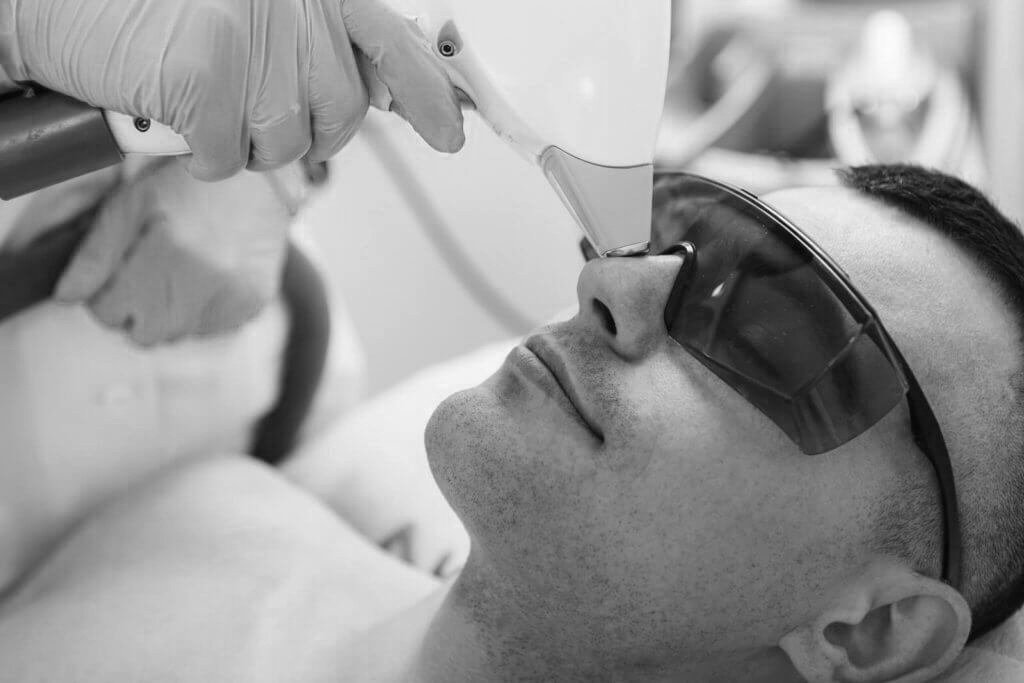
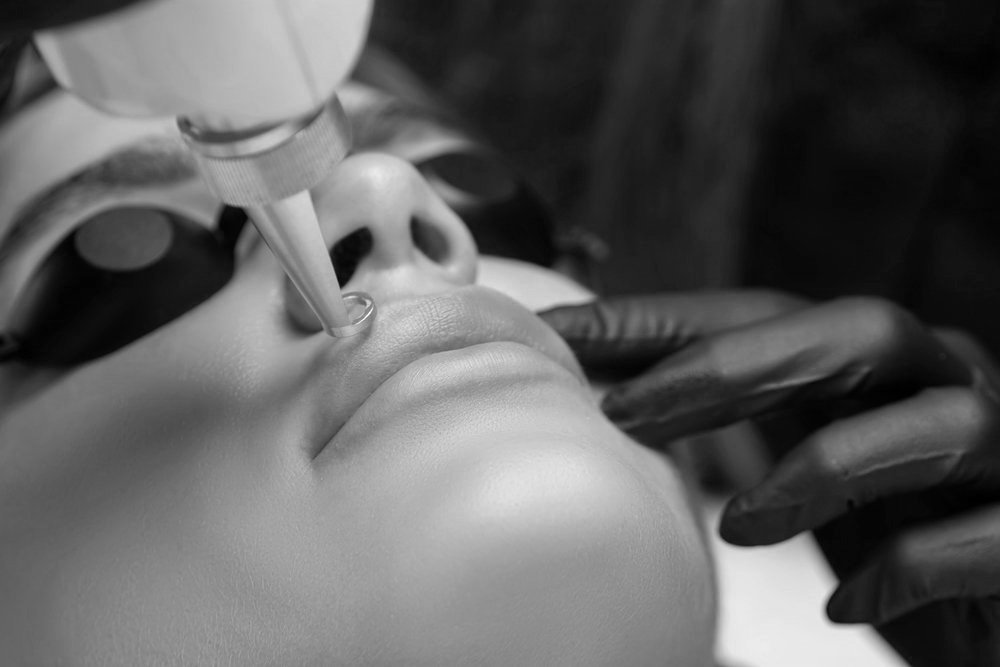
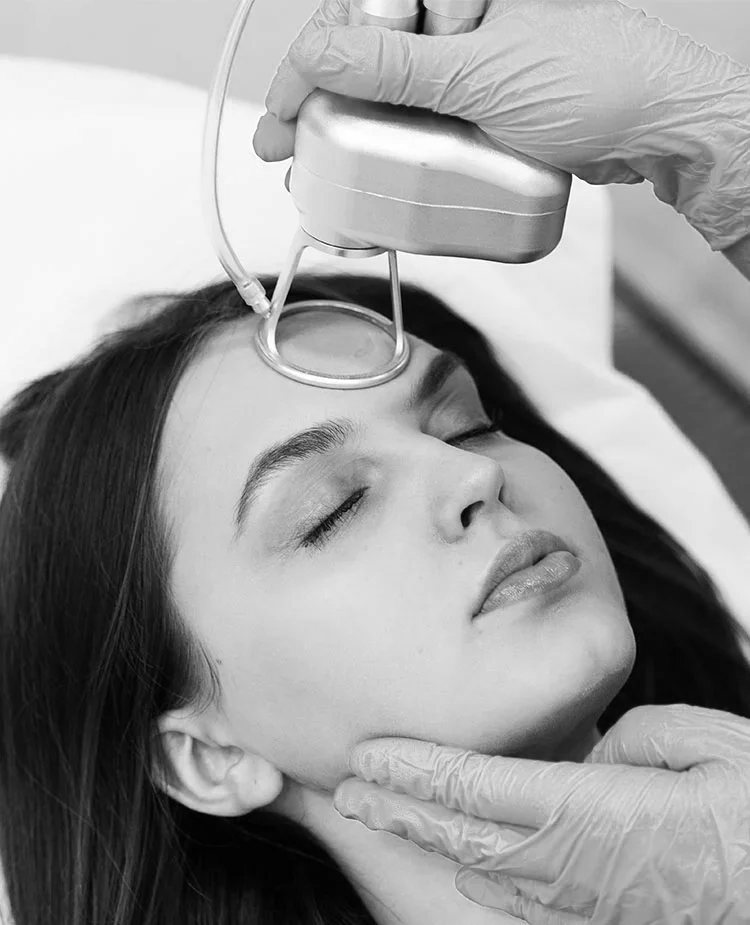
Removal of benign, cosmetically unwanted moles. Every lesion examined by Dr. Amir Mortazavi, MD before any treatment.
Most moles are benign and can be removed for appearance, comfort, or because they catch on clothing, razors, or jewelry. The removal itself is quick. The evaluation beforehand is the part that matters.
Read this before booking any mole removal, here or anywhere.
Moles are melanocytic lesions — they arise from the same cells melanoma arises from. Laser removal destroys the tissue. If a mole was atypical or early melanoma, that tissue is gone, no diagnosis can be made, and the patient walks away believing the problem was handled.
This is why cosmetic mole removal should never be booked as a pure appearance service. Any practice that will laser a mole without examining it first, or that doesn't discuss when excision with pathology is the correct approach instead, is skipping the step that matters most.
At Plump, every mole is examined before anything is done. If it looks benign and removal is reasonable, it's treated. If anything about it is atypical, it isn't lasered — you'll be referred for excision with histopathology, because a diagnosis is worth more than a cosmetic result.
Get evaluated first, not treated, if the mole:
Has changed in size, shape, or color · has an irregular or poorly defined border · contains more than one color · is larger than about 6mm · is asymmetric · bleeds, itches, or crusts without being injured · appeared recently in adulthood · looks different from your other moles
Any of these means dermatologic evaluation, not laser.
For moles that are appropriate to treat: the procedure takes minutes under local anesthetic. Expect a small area of redness or a scab that resolves over one to two weeks. Some moles — particularly deeper ones — can recur or leave a faint mark, and that's discussed before treatment rather than after.
Skin cancer screening is not part of this appointment. This is removal of a lesion assessed as benign. If you haven't had a full skin check, or you have a personal or family history of skin cancer, see a dermatologist for surveillance — that's a different appointment with a different purpose, and Dr. Mortazavi will say so if that's what you actually need.
Not sure what your spot even is? See red spots and skin lesions: what they are and when to worry.
Removal of benign, cosmetically unwanted moles. Every lesion examined by Dr. Amir Mortazavi, MD before any treatment.
Most moles are benign and can be removed for appearance, comfort, or because they catch on clothing, razors, or jewelry. The removal itself is quick. The evaluation beforehand is the part that matters.
Read this before booking any mole removal, here or anywhere.
Moles are melanocytic lesions — they arise from the same cells melanoma arises from. Laser removal destroys the tissue. If a mole was atypical or early melanoma, that tissue is gone, no diagnosis can be made, and the patient walks away believing the problem was handled.
This is why cosmetic mole removal should never be booked as a pure appearance service. Any practice that will laser a mole without examining it first, or that doesn't discuss when excision with pathology is the correct approach instead, is skipping the step that matters most.
At Plump, every mole is examined before anything is done. If it looks benign and removal is reasonable, it's treated. If anything about it is atypical, it isn't lasered — you'll be referred for excision with histopathology, because a diagnosis is worth more than a cosmetic result.
Get evaluated first, not treated, if the mole:
Has changed in size, shape, or color · has an irregular or poorly defined border · contains more than one color · is larger than about 6mm · is asymmetric · bleeds, itches, or crusts without being injured · appeared recently in adulthood · looks different from your other moles
Any of these means dermatologic evaluation, not laser.
For moles that are appropriate to treat: the procedure takes minutes under local anesthetic. Expect a small area of redness or a scab that resolves over one to two weeks. Some moles — particularly deeper ones — can recur or leave a faint mark, and that's discussed before treatment rather than after.
Skin cancer screening is not part of this appointment. This is removal of a lesion assessed as benign. If you haven't had a full skin check, or you have a personal or family history of skin cancer, see a dermatologist for surveillance — that's a different appointment with a different purpose, and Dr. Mortazavi will say so if that's what you actually need.
Not sure what your spot even is? See red spots and skin lesions: what they are and when to worry.
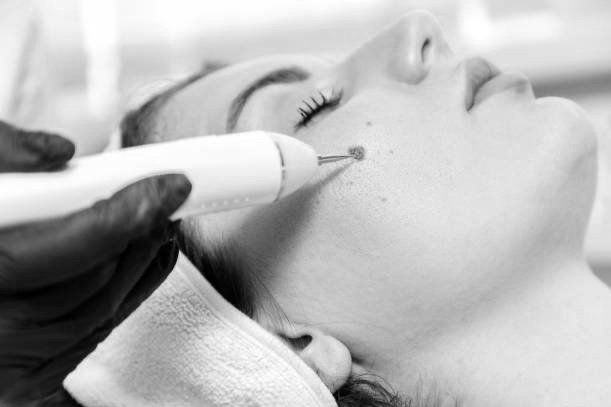 Image 1 of 1