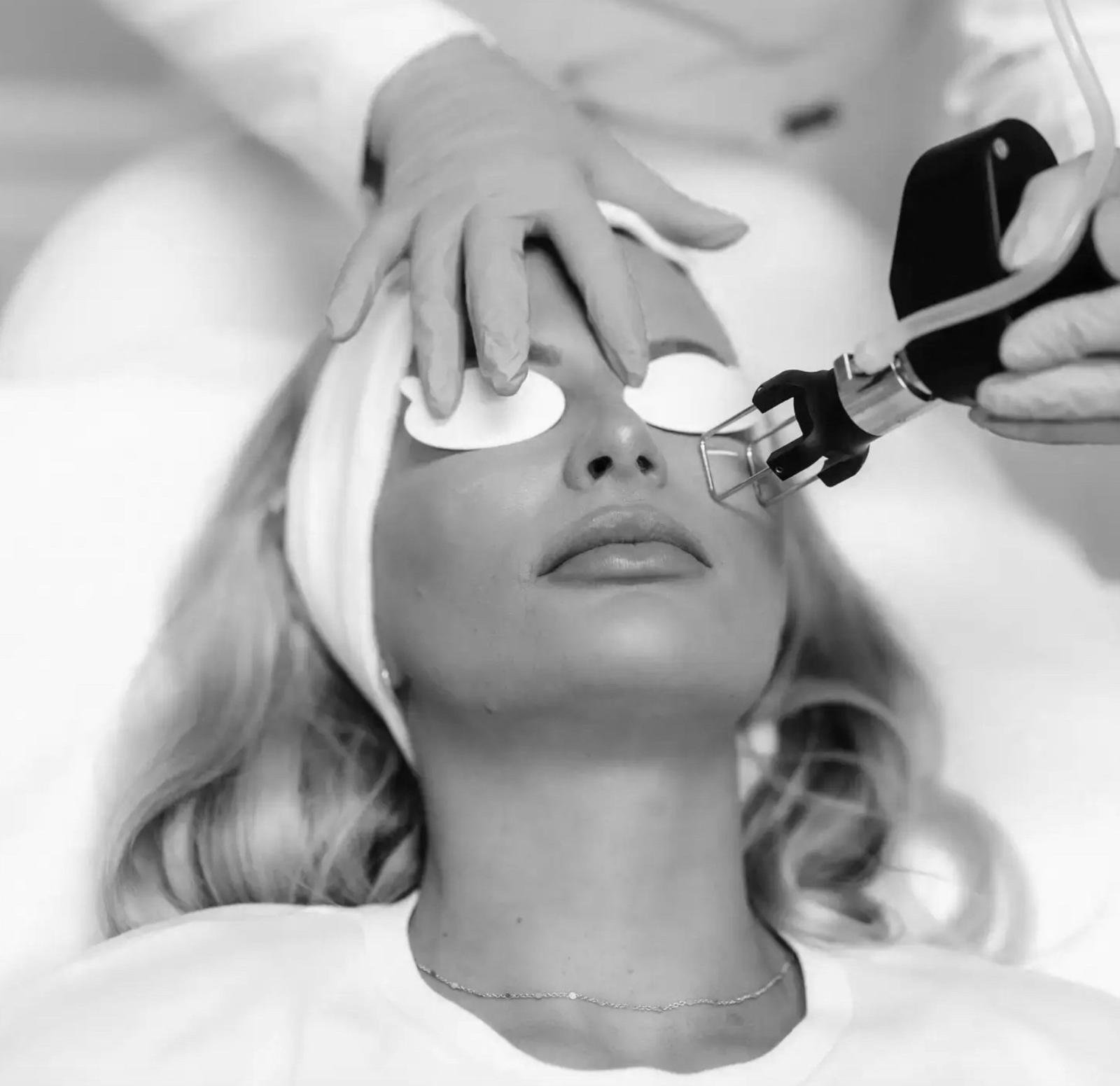
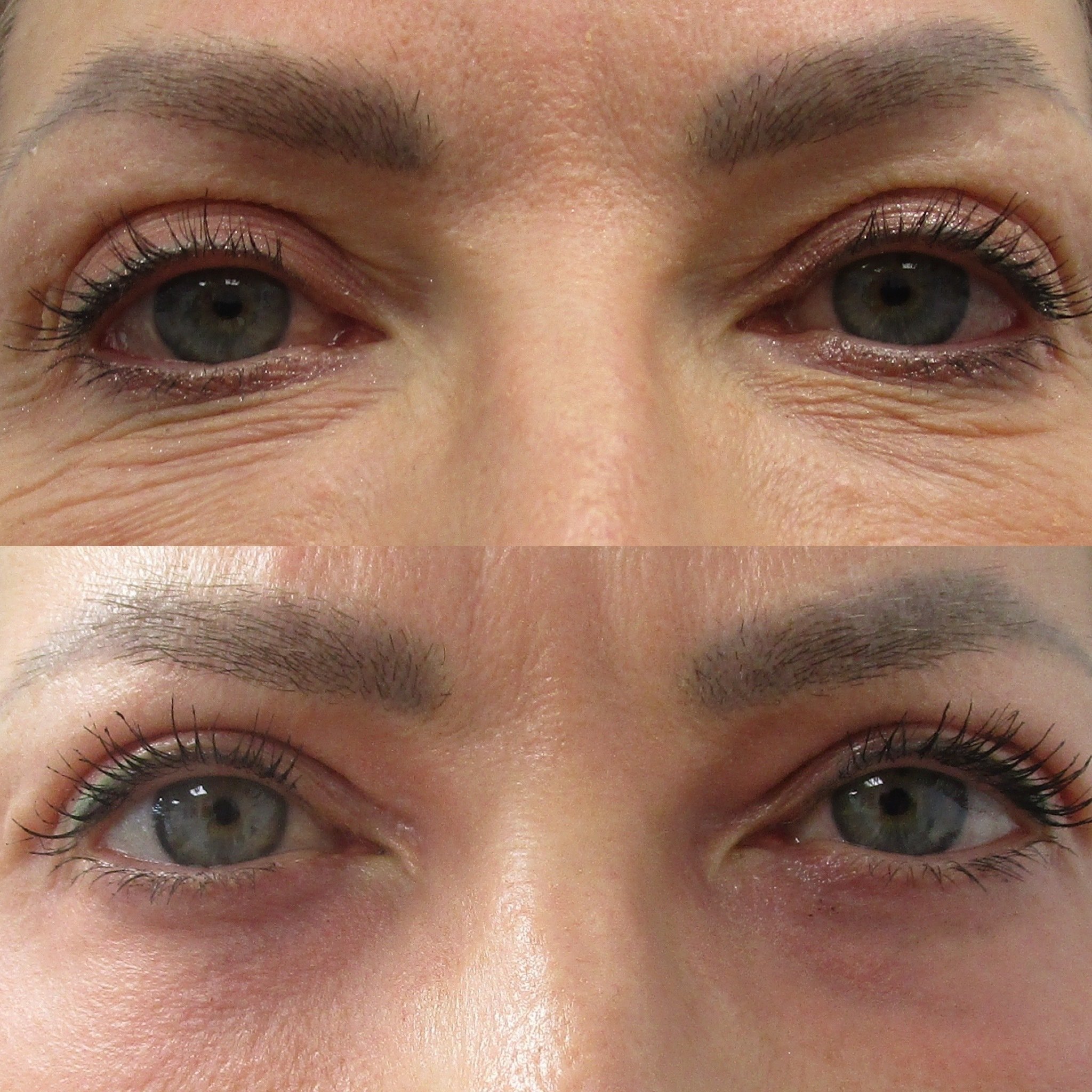
New to Pico laser? Read the full guide to Pico laser in Newport Beach before booking.
✨ Package of 4 treatments: $1500 ✨
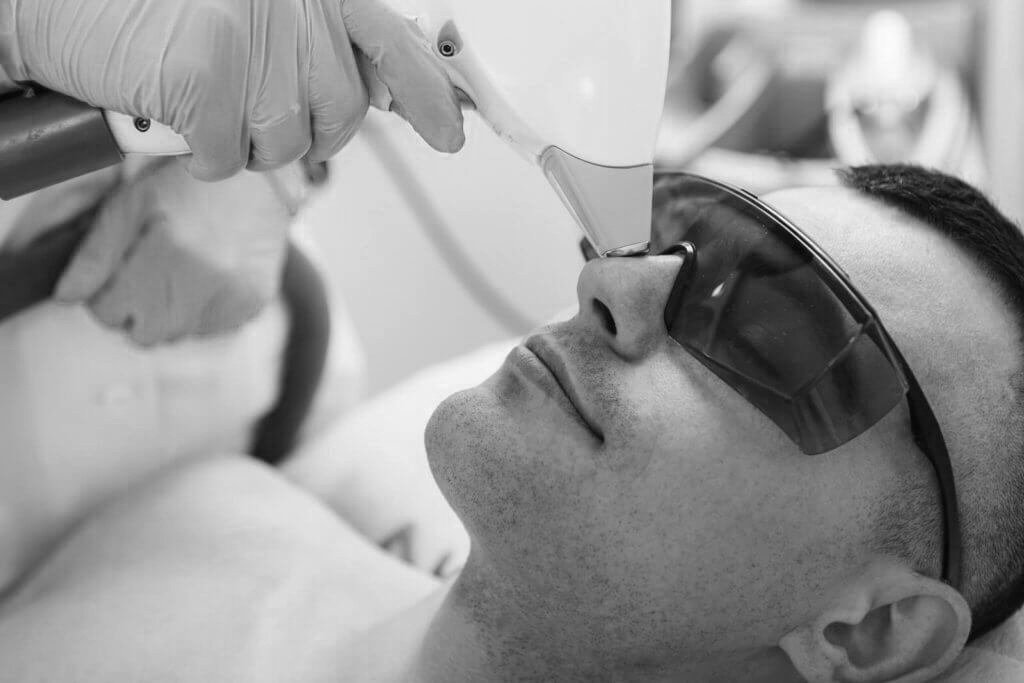
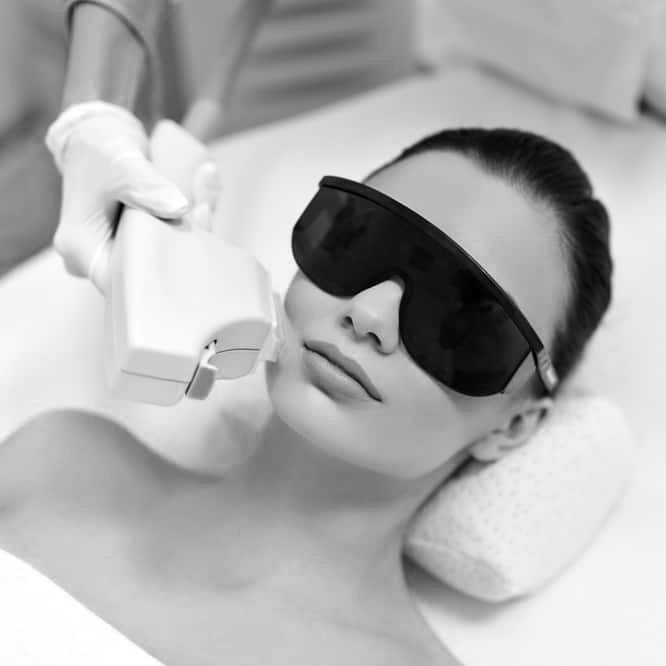
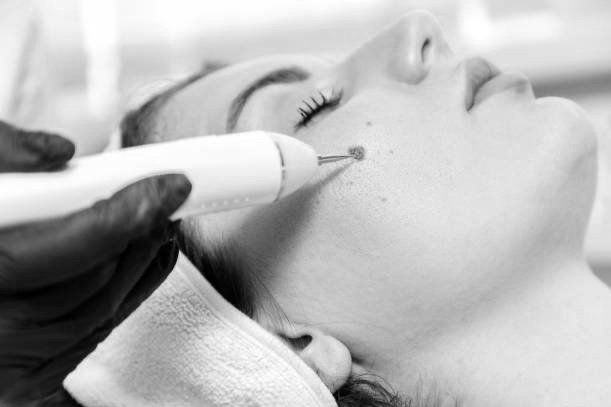
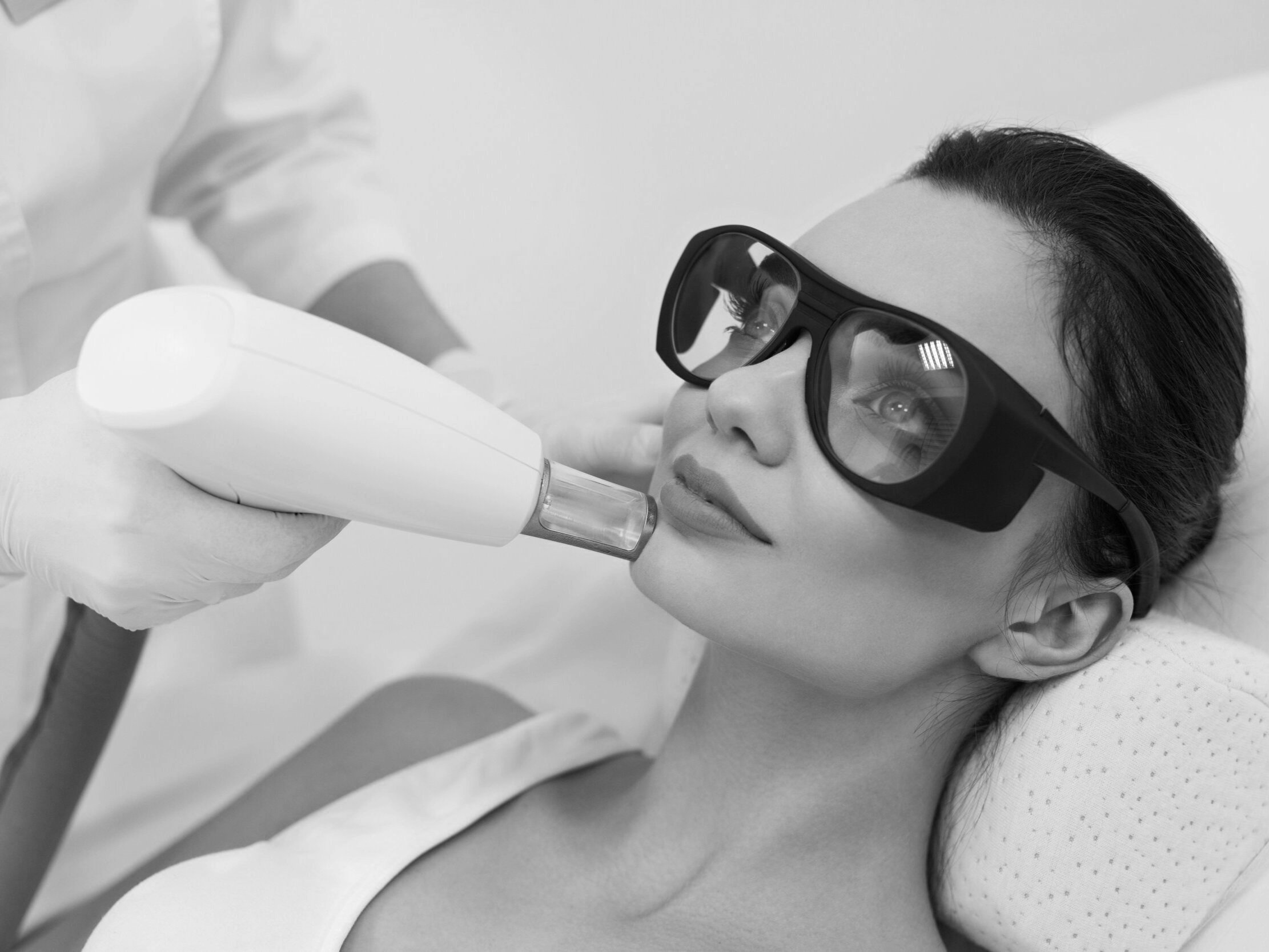
Pico laser treatment of underarm hyperpigmentation. Performed personally by Dr. Amir Mortazavi, MD.
Pico delivers energy in picosecond pulses — trillionths of a second — which shatters pigment mechanically rather than heating it.
That distinction matters more here than almost anywhere else. Underarm darkening disproportionately affects deeper skin tones, and heat-based devices like IPL carry a real risk of paradoxical darkening in exactly that population — worsening the problem the patient came in to fix. Pico's low thermal load substantially reduces that risk, which is why it's the device used here.
First: darkening isn't always pigmentation.
Several things darken an underarm, and only some of them respond to laser. This is the assessment that determines whether treatment will help at all.
Post-inflammatory hyperpigmentation — from years of shaving irritation, waxing, friction from clothing, or deodorant sensitivity. Responds to Pico, though the irritation has to stop or it returns.
Friction-related darkening — common with tight clothing or where skin rubs. Responds, but recurs without addressing the cause.
Acanthosis nigricans — velvety, thickened, darkened skin. This one matters. It's frequently associated with insulin resistance, and can also relate to thyroid or hormonal conditions. Lasering it treats the appearance of a possible metabolic sign rather than the condition behind it. If your darkening has a velvety, thickened quality — particularly if it also affects the neck or groin — you should be evaluated medically before cosmetic treatment.
Residual shadow from thick hair follicles — not pigment at all. Laser hair reduction is the answer, not pigment treatment.
Dr. Mortazavi examines the area and determines which of these applies before treating. A number of patients leave with a referral rather than a treatment plan, and that's the right outcome for them.
Stopping what caused it matters as much as the treatment.
Pigment produced by ongoing irritation returns if the irritation continues. Treatment works best alongside:
Switching from razor shaving to trimming or laser hair reduction · avoiding harsh deodorants and alcohol-based antiperspirants · looser clothing where friction is a factor · no scrubbing or exfoliating the area · sun protection if the area is ever exposed
Without these, you're treating a problem that keeps being recreated.
What to expect: each session takes minutes. Treated pigment often darkens for a day or two before flaking away — expected, and the same response Pico produces on the face.
Plan on a series — typically three to six sessions spaced four weeks apart. Body pigment generally responds more slowly than facial pigment.
Realistic outcome: meaningful lightening and more even tone. Not the same shade as surrounding skin. Underarm skin is naturally somewhat darker than the arm in most people, and complete matching is not the goal — anyone promising it is overselling.
Deeper skin tones are treated with conservative settings and often need a longer series. That's the correct approach, not caution for its own sake.
New to Pico laser? Read the full guide to Pico laser in Newport Beach before booking.
✨ Package of 4 treatments: $1500 ✨
Pico laser treatment of underarm hyperpigmentation. Performed personally by Dr. Amir Mortazavi, MD.
Pico delivers energy in picosecond pulses — trillionths of a second — which shatters pigment mechanically rather than heating it.
That distinction matters more here than almost anywhere else. Underarm darkening disproportionately affects deeper skin tones, and heat-based devices like IPL carry a real risk of paradoxical darkening in exactly that population — worsening the problem the patient came in to fix. Pico's low thermal load substantially reduces that risk, which is why it's the device used here.
First: darkening isn't always pigmentation.
Several things darken an underarm, and only some of them respond to laser. This is the assessment that determines whether treatment will help at all.
Post-inflammatory hyperpigmentation — from years of shaving irritation, waxing, friction from clothing, or deodorant sensitivity. Responds to Pico, though the irritation has to stop or it returns.
Friction-related darkening — common with tight clothing or where skin rubs. Responds, but recurs without addressing the cause.
Acanthosis nigricans — velvety, thickened, darkened skin. This one matters. It's frequently associated with insulin resistance, and can also relate to thyroid or hormonal conditions. Lasering it treats the appearance of a possible metabolic sign rather than the condition behind it. If your darkening has a velvety, thickened quality — particularly if it also affects the neck or groin — you should be evaluated medically before cosmetic treatment.
Residual shadow from thick hair follicles — not pigment at all. Laser hair reduction is the answer, not pigment treatment.
Dr. Mortazavi examines the area and determines which of these applies before treating. A number of patients leave with a referral rather than a treatment plan, and that's the right outcome for them.
Stopping what caused it matters as much as the treatment.
Pigment produced by ongoing irritation returns if the irritation continues. Treatment works best alongside:
Switching from razor shaving to trimming or laser hair reduction · avoiding harsh deodorants and alcohol-based antiperspirants · looser clothing where friction is a factor · no scrubbing or exfoliating the area · sun protection if the area is ever exposed
Without these, you're treating a problem that keeps being recreated.
What to expect: each session takes minutes. Treated pigment often darkens for a day or two before flaking away — expected, and the same response Pico produces on the face.
Plan on a series — typically three to six sessions spaced four weeks apart. Body pigment generally responds more slowly than facial pigment.
Realistic outcome: meaningful lightening and more even tone. Not the same shade as surrounding skin. Underarm skin is naturally somewhat darker than the arm in most people, and complete matching is not the goal — anyone promising it is overselling.
Deeper skin tones are treated with conservative settings and often need a longer series. That's the correct approach, not caution for its own sake.
 Image 1 of 1