FraX: Laser Resurfacing in Orange Count
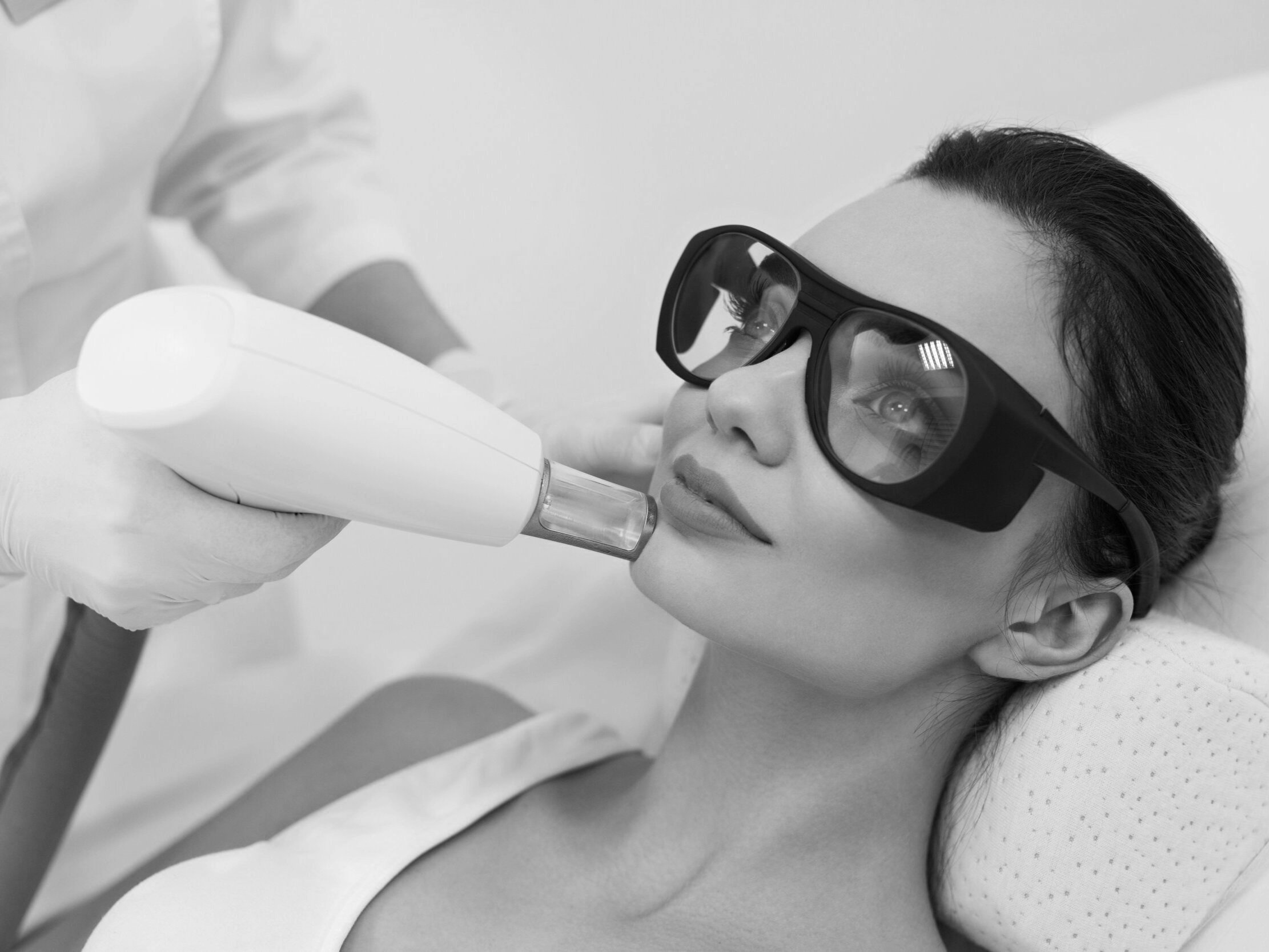
Comparing resurfacing options? See thulium fractional vs. CO2 laser — they treat different problems at different depths.
Non-ablative fractional laser resurfacing. Performed personally by Dr. Amir Mortazavi, MD.
This laser creates microscopic columns of thermal injury in the dermis without removing the surface layer of skin. The intact surface between treatment zones is what keeps downtime short — the skin stays closed while remodeling happens underneath.
That's the fundamental difference from CO2. Ablative resurfacing removes surface tissue and produces stronger textural change, at the cost of five to seven days of visible recovery. Non-ablative treats through an intact surface, which means less dramatic change per session but a recovery measured in days of pinkness rather than a week of shedding.
Treats: uneven tone and pigmentation · sun damage · fine lines · surface texture and dullness · melasma (with conservative settings) · overall skin clarity
This is a series, not a single treatment. Non-ablative works by accumulation — most patients need three to five sessions spaced three to four weeks apart. A single session produces modest improvement. That's the trade for lower downtime, and anyone selling it as a one-visit transformation is misrepresenting how it works.
What to expect: treatment takes 30 to 45 minutes with topical numbing. Expect redness and a warm, sunburned sensation for one to three days, sometimes with mild swelling on day one. Skin may feel rough or bronzed for several days as treated tissue works its way out. Most patients are presentable within 48 hours.
Good choice if you want meaningful improvement without a week of downtime, you're treating pigment and tone more than deep texture, or you've been advised that ablative resurfacing is too aggressive for your skin type.
Consider CO2 instead if you have significant textural change, deeper wrinkles, or acne scarring — ablative resurfacingwill get you further, and Dr. Mortazavi will tell you if that's the better use of your money.
On melasma specifically: it responds, but it's a chronic condition and aggressive settings can worsen it. Treatment is deliberately conservative here. Pico laser is often the better first choice for melasma.
Fractional Collagen-Boosting Laser | Minimal Downtime for Radiant Skin
At Plump Medical Spa, our exclusive FraX: Laser Resurfacing uses state-of-the-art non‑ablative fractional technology to gently resurface the skin, boost collagen, and restore a youthful glow. Safe for all skin types—including Hispanic, Asian, African-American, Middle Eastern, and Indian tones—this treatment delivers noticeable improvement with minimal recovery time.
✨ What Is FraX: Laser Resurfacing?
FraX is a non‑ablative fractional erbium laser that creates controlled micro‑injuries beneath the skin surface. This triggers collagen regeneration, improving:
Fine lines & wrinkles
Sun damage & pigmentation
Acne scars & uneven texture
Expect smoother, brighter skin after just one session—with progressive improvement over time.
⏳ Downtime & Treatment Schedule
Sessions typically last ~30 minutes
Most patients experience 2–4 days of redness, flaking, or mild swelling
Results build over weeks to months with optimal benefits visible after several sessions.
Recommended: a series of 3–4 treatments spaced about 4 weeks apart to maximize collagen activation Allure
🌎 Why Choose Plump in Orange County?
All treatments are performed by Dr. Amir Mortazavi, MD—no assistants
Tailored to your skin tone and goals
Ideal for busy lifestyles who want minimal disruption
Results that enhance natural radiance, not over-process your face
🧴 Suitable Treatment Areas
FraX is perfect for resurfacing:
Face
Neck
Chest
Hands
💸 Pricing & Packages
FraX treatments are fully customizable based on your skin condition and aesthetic goals.
Pricing depends on treatment area and number of sessions. Package discounts available.
❓ FAQs – FraX: Laser Resurfacing in Orange County
1. What conditions does FraX treat?
Pores, oily skin, fine lines, wrinkles, sun damage, post-acne pigmentation, and textured skin.
2. What happens during a FraX session?
We prep with topical numbing, run the fractional erbium laser over the treatment area, then apply soothing serums and SPF.
3. Is FraX painful?
Most clients describe a mild hot-stinging sensation. Numbing cream and cooling reduce discomfort significantly.
4. How long is recovery?
Generally 4-5 days of redness and flaking; most return to regular activity quickly.
5. How many sessions are recommended?
Typically 3–4 sessions spaced monthly for optimal results, though some notice improvement after one session PLUMP MEDICAL SPA.
6. Is FraX safe for darker skin tones?
Yes—this non‑ablative technology is safe across all ethnicities when administered by experienced medical doctor.
7. Can I combine it with other treatments?
Yes—FraX works well alongside injectables, especially microneedling RF, and skincare regimens.
8. What are the risks?
Risks are minimal but can include temporary redness, swelling, peeling, hyperpigmentation.
9. When will I see results?
Initial glow often appears within days; full collagen remodeling is noticeable over 2–3 months.
10. Where is FraX Laser available?
At Plump Medical Spa, centrally located in Newport Beach, serving Irvine, Tustin, Costa Mesa, and other OC areas.