Comparing resurfacing options? See thulium fractional vs. CO2 laser — they treat different problems at different depths.
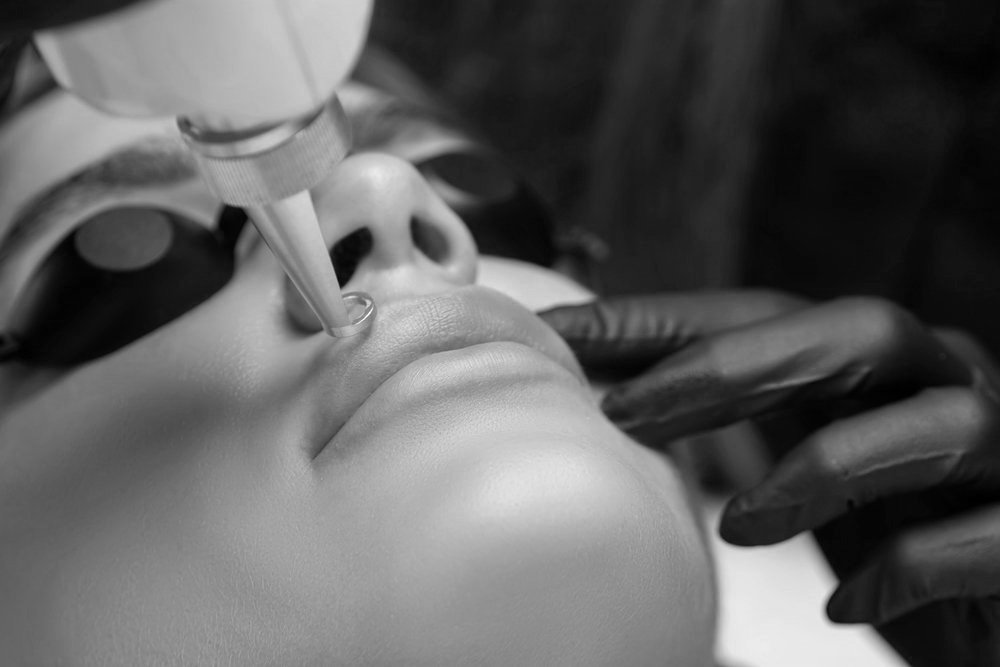
Non-ablative fractional laser resurfacing. Performed personally by Dr. Amir Mortazavi, MD.
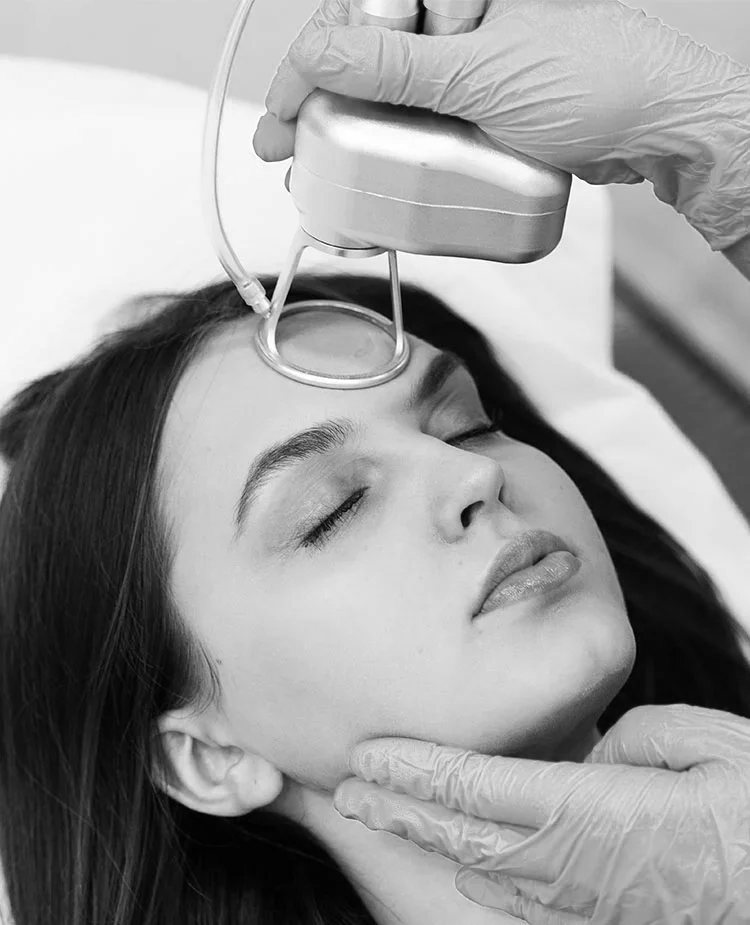
This laser creates microscopic columns of thermal injury in the dermis without removing the surface layer of skin. The intact surface between treatment zones is what keeps downtime short — the skin stays closed while remodeling happens underneath.
That's the fundamental difference from CO2. Ablative resurfacing removes surface tissue and produces stronger textural change, at the cost of five to seven days of visible recovery. Non-ablative treats through an intact surface, which means less dramatic change per session but a recovery measured in days of pinkness rather than a week of shedding.
Treats: uneven tone and pigmentation · sun damage · fine lines · surface texture and dullness · melasma (with conservative settings) · overall skin clarity
This is a series, not a single treatment. Non-ablative works by accumulation — most patients need three to five sessions spaced three to four weeks apart. A single session produces modest improvement. That's the trade for lower downtime, and anyone selling it as a one-visit transformation is misrepresenting how it works.
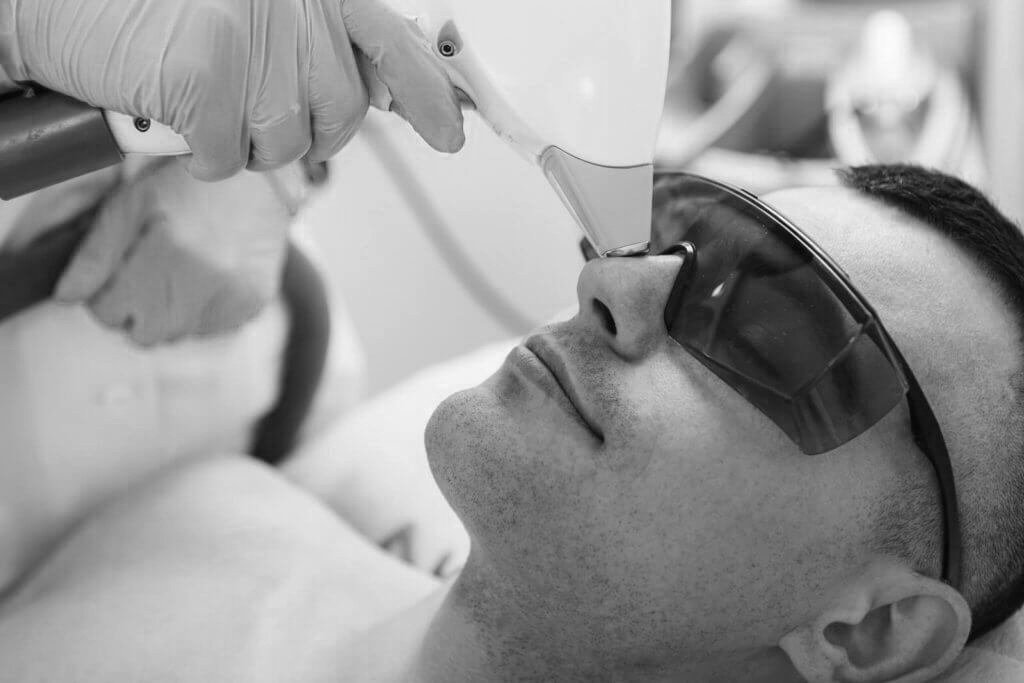
What to expect: treatment takes 30 to 45 minutes with topical numbing. Expect redness and a warm, sunburned sensation for one to three days, sometimes with mild swelling on day one. Skin may feel rough or bronzed for several days as treated tissue works its way out. Most patients are presentable within 48 hours.
Good choice if you want meaningful improvement without a week of downtime, you're treating pigment and tone more than deep texture, or you've been advised that ablative resurfacing is too aggressive for your skin type.
Consider CO2 instead if you have significant textural change, deeper wrinkles, or acne scarring — ablative resurfacingwill get you further, and Dr. Mortazavi will tell you if that's the better use of your money.
On melasma specifically: it responds, but it's a chronic condition and aggressive settings can worsen it. Treatment is deliberately conservative here. Pico laser is often the better first choice for melasma.
Comparing resurfacing options? See thulium fractional vs. CO2 laser — they treat different problems at different depths.
Non-ablative fractional laser resurfacing. Performed personally by Dr. Amir Mortazavi, MD.
This laser creates microscopic columns of thermal injury in the dermis without removing the surface layer of skin. The intact surface between treatment zones is what keeps downtime short — the skin stays closed while remodeling happens underneath.
That's the fundamental difference from CO2. Ablative resurfacing removes surface tissue and produces stronger textural change, at the cost of five to seven days of visible recovery. Non-ablative treats through an intact surface, which means less dramatic change per session but a recovery measured in days of pinkness rather than a week of shedding.
Treats: uneven tone and pigmentation · sun damage · fine lines · surface texture and dullness · melasma (with conservative settings) · overall skin clarity
This is a series, not a single treatment. Non-ablative works by accumulation — most patients need three to five sessions spaced three to four weeks apart. A single session produces modest improvement. That's the trade for lower downtime, and anyone selling it as a one-visit transformation is misrepresenting how it works.
What to expect: treatment takes 30 to 45 minutes with topical numbing. Expect redness and a warm, sunburned sensation for one to three days, sometimes with mild swelling on day one. Skin may feel rough or bronzed for several days as treated tissue works its way out. Most patients are presentable within 48 hours.
Good choice if you want meaningful improvement without a week of downtime, you're treating pigment and tone more than deep texture, or you've been advised that ablative resurfacing is too aggressive for your skin type.
Consider CO2 instead if you have significant textural change, deeper wrinkles, or acne scarring — ablative resurfacingwill get you further, and Dr. Mortazavi will tell you if that's the better use of your money.
On melasma specifically: it responds, but it's a chronic condition and aggressive settings can worsen it. Treatment is deliberately conservative here. Pico laser is often the better first choice for melasma.
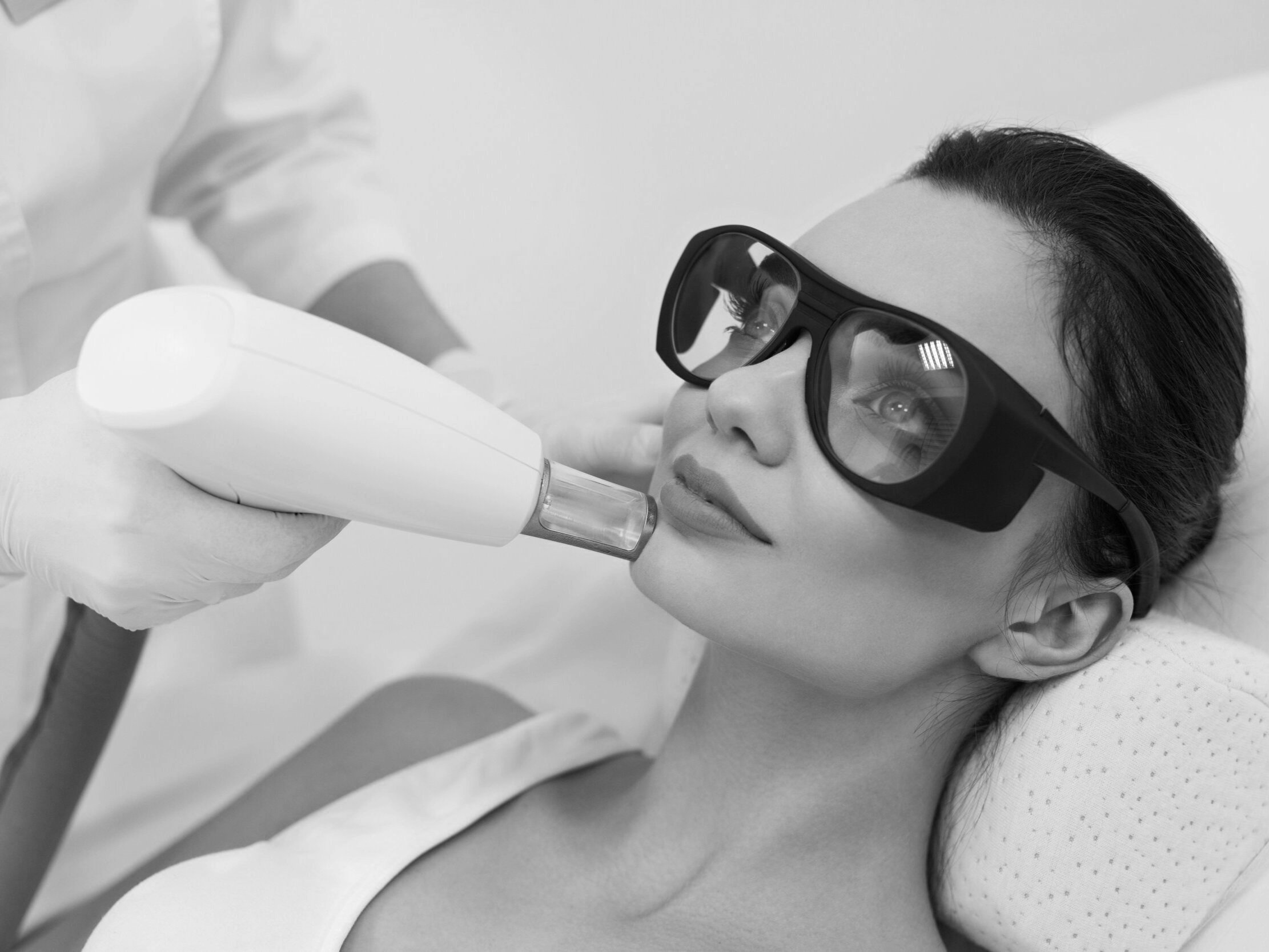 Image 1 of 1