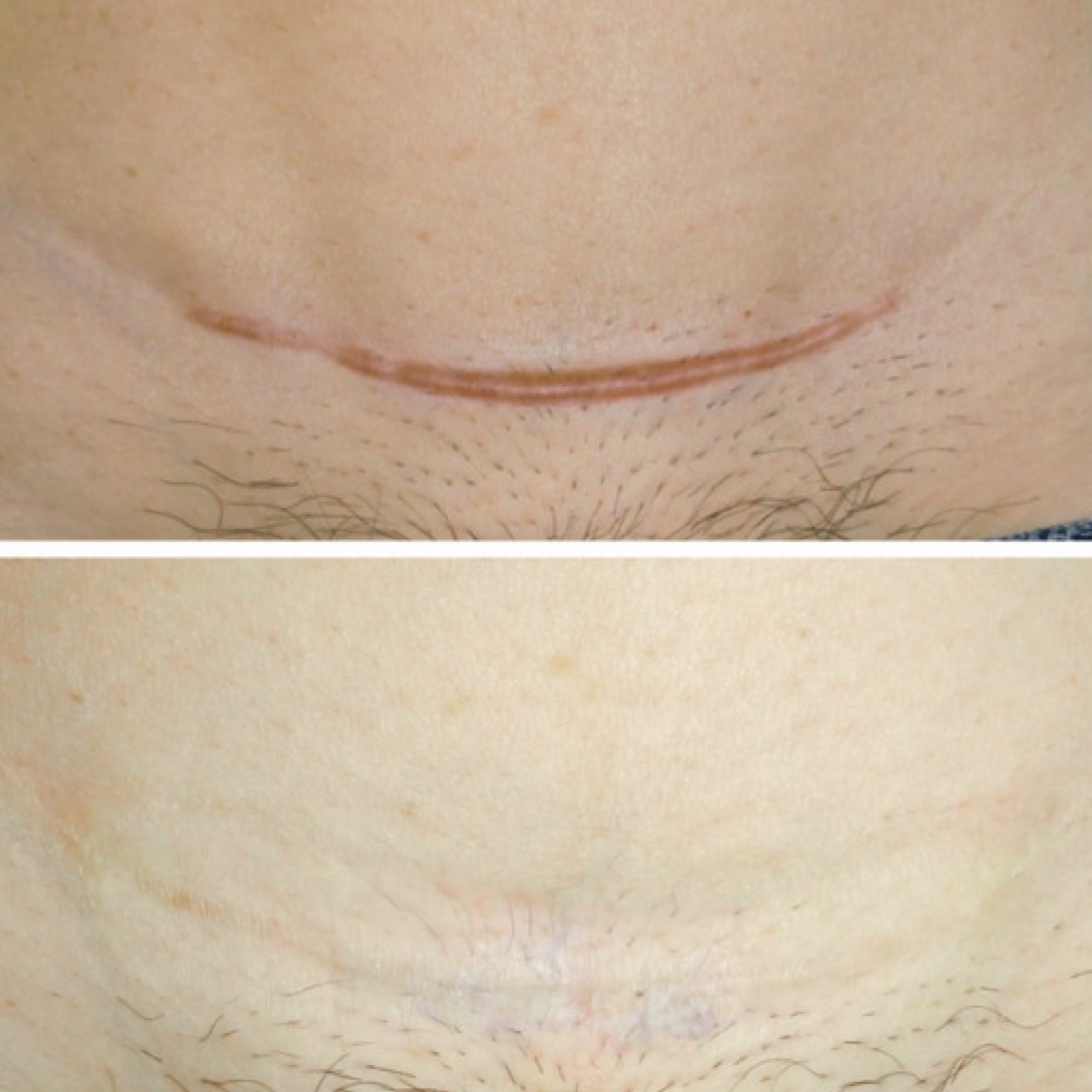
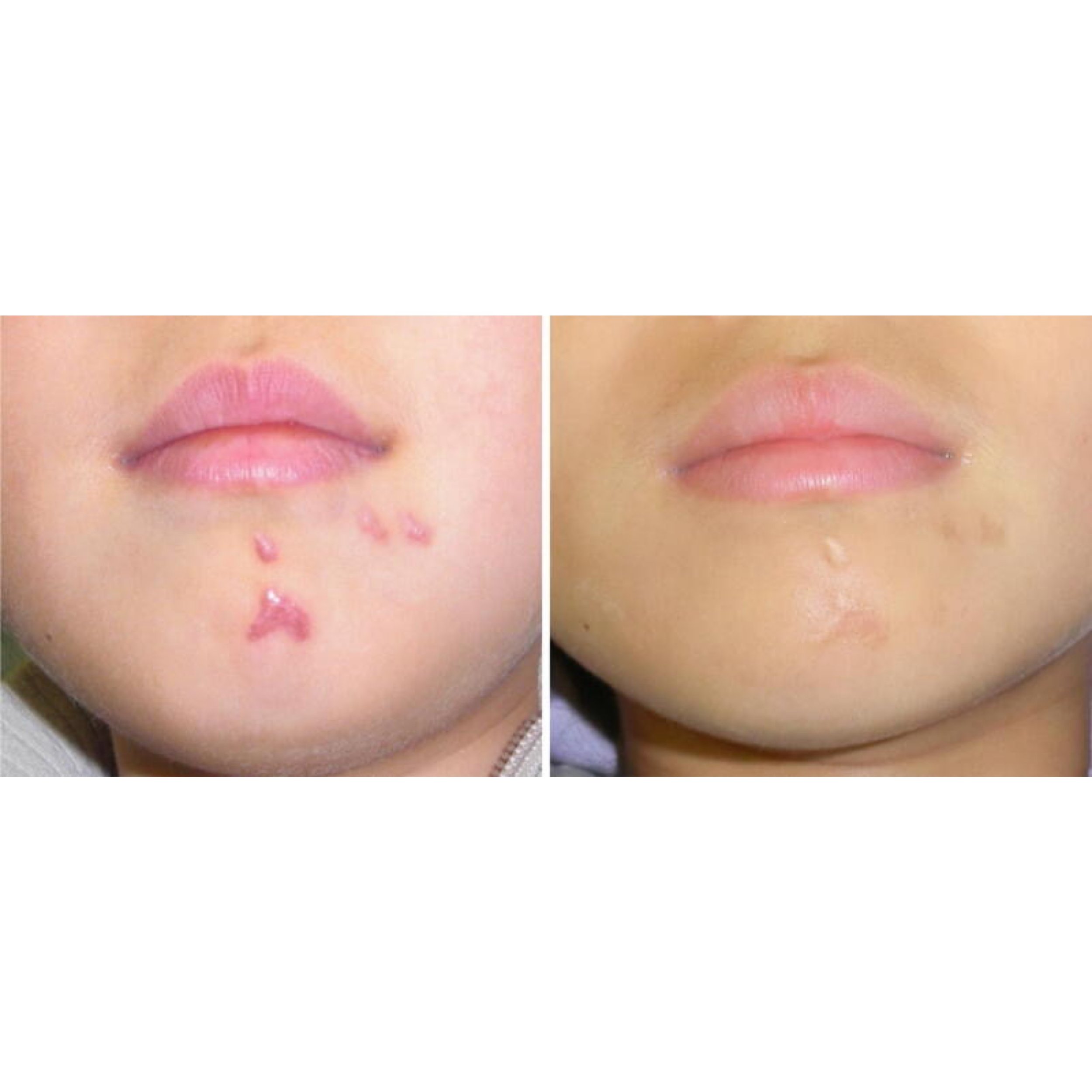
New to subcision? Read the full guide to acne scar subcision in Newport Beach before booking.
Subcision alone, performed personally by Dr. Amir Mortazavi, MD.
Depressed acne scars are not a surface problem. A rolling scar is skin tethered downward by fibrous bands beneath it — which is why resurfacing alone so often disappoints. You can smooth the surface repeatedly and the depression stays, because the thing pulling it down was never touched.
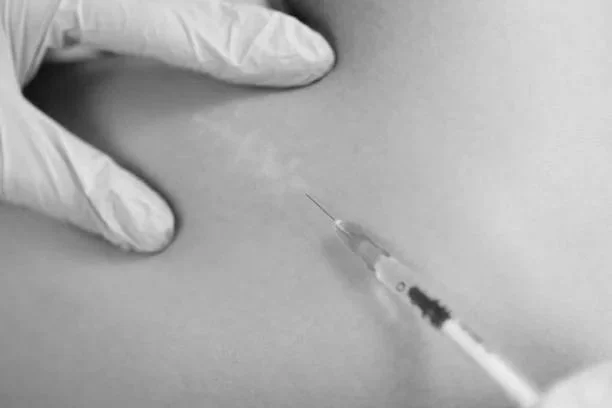
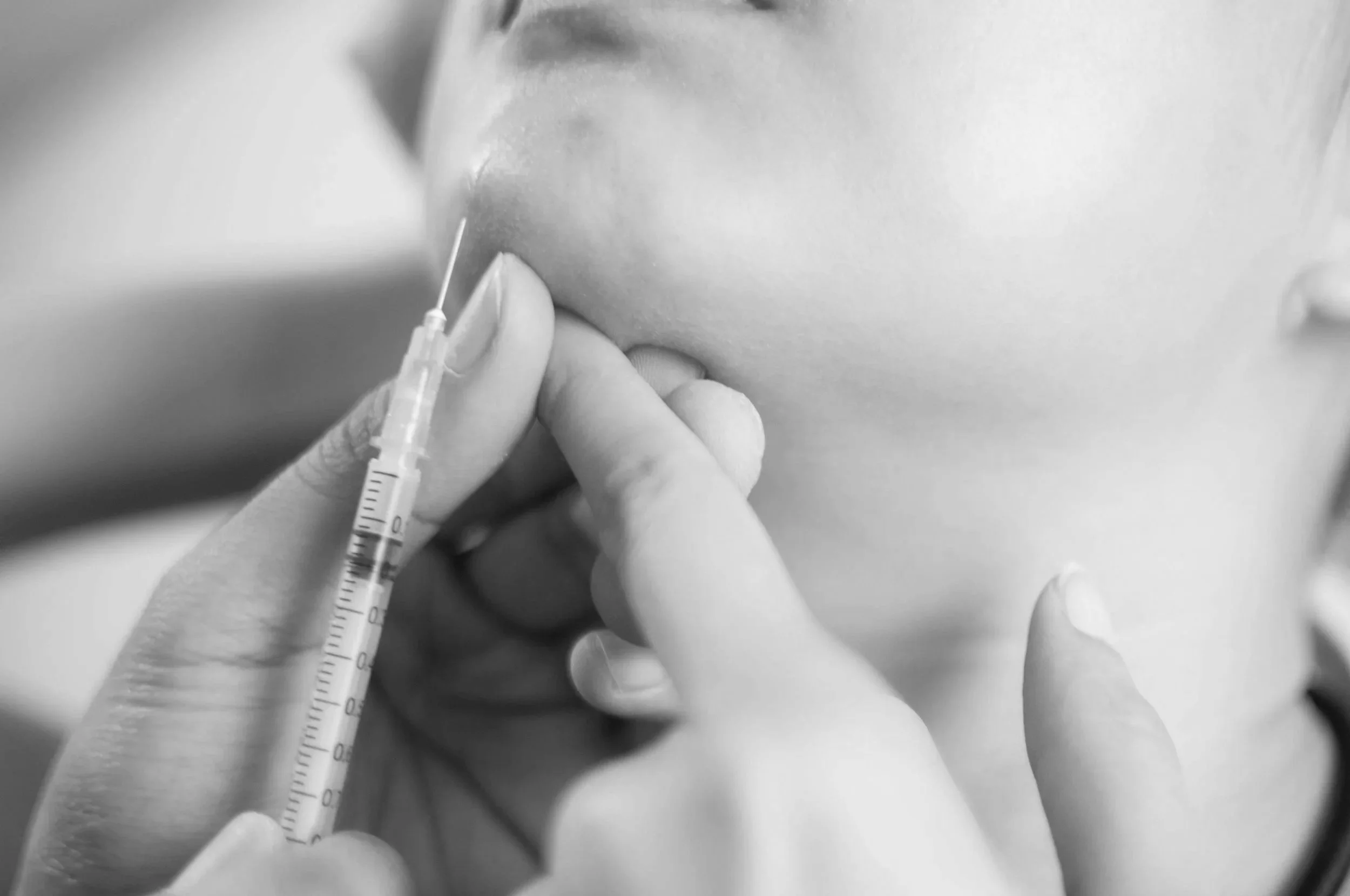
Subcision addresses that directly. A cannula is passed beneath the scar to sever the fibrous bands, releasing the tether so the skin can lift. It is the only technique that treats the tethering itself — no laser, no filler, no microneedling does this.
Consider the combination protocol instead.
Most patients get better results from the four-part protocol, which adds Sculptra, laser resurfacing, and red light therapy in the same session.
The reason is mechanical: after subcision releases a scar, the space created can simply re-adhere as it heals. Sculptra placed into that space keeps it open while stimulating collagen to fill the depression. Resurfacing then addresses the surface texture subcision doesn't touch.
Subcision alone is appropriate when you're treating a small number of scars, you've had the combination previously and need maintenance release, or your surface texture and volume are already adequate and tethering is the only remaining issue.
Dr. Mortazavi will tell you which applies at consultation. If the combination would serve you better, he'll say so rather than treating you with the cheaper option.
Best for: rolling scars and tethered depressions · scars that visibly lift when the skin is stretched · scars where tethering is clearly the dominant problem
Not for: narrow deep ice-pick scars, which need TCA CROSS or punch techniques · boxcar scars with sharp defined edges, which respond differently · active acne, which should be controlled first · raised or keloid scars, which are the opposite problem
What to expect: 45 to 60 minutes with numbing. Expect significant bruising — subcision causes bleeding under the skin by design, and it's more than most cosmetic treatments produce. Plan for seven to ten days. Swelling for several days is normal.
Most patients need two to four sessions spaced six to eight weeks apart, depending on scar depth and extent.
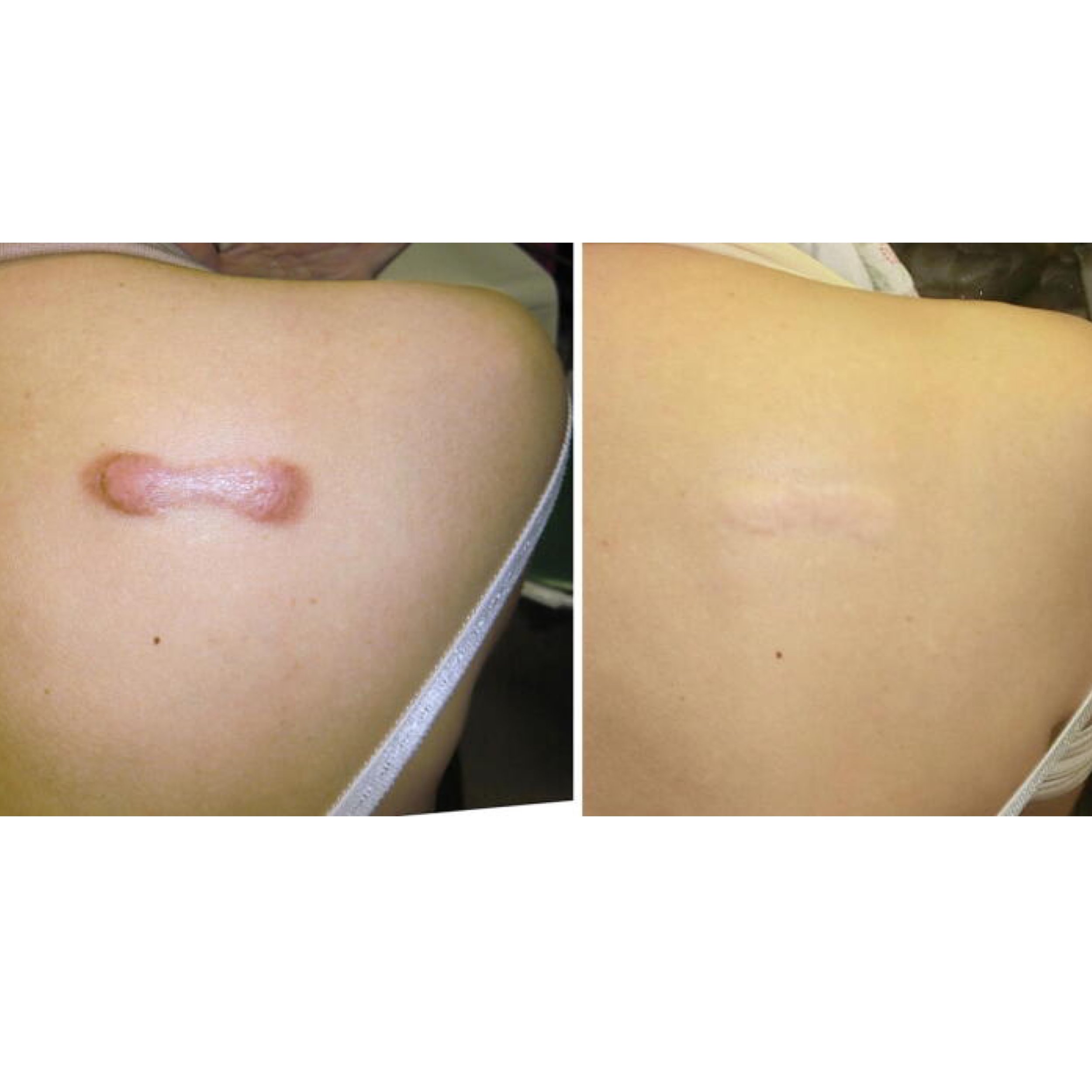
Realistic outcome: meaningful improvement in depth and contour. Not erasure. Scarring that formed over years doesn't resolve completely, and any provider promising smooth skin is overselling. Patients who understand that going in are consistently the happiest with what they get.
New to subcision? Read the full guide to acne scar subcision in Newport Beach before booking.
Subcision alone, performed personally by Dr. Amir Mortazavi, MD.
Depressed acne scars are not a surface problem. A rolling scar is skin tethered downward by fibrous bands beneath it — which is why resurfacing alone so often disappoints. You can smooth the surface repeatedly and the depression stays, because the thing pulling it down was never touched.
Subcision addresses that directly. A cannula is passed beneath the scar to sever the fibrous bands, releasing the tether so the skin can lift. It is the only technique that treats the tethering itself — no laser, no filler, no microneedling does this.
Consider the combination protocol instead.
Most patients get better results from the four-part protocol, which adds Sculptra, laser resurfacing, and red light therapy in the same session.
The reason is mechanical: after subcision releases a scar, the space created can simply re-adhere as it heals. Sculptra placed into that space keeps it open while stimulating collagen to fill the depression. Resurfacing then addresses the surface texture subcision doesn't touch.
Subcision alone is appropriate when you're treating a small number of scars, you've had the combination previously and need maintenance release, or your surface texture and volume are already adequate and tethering is the only remaining issue.
Dr. Mortazavi will tell you which applies at consultation. If the combination would serve you better, he'll say so rather than treating you with the cheaper option.
Best for: rolling scars and tethered depressions · scars that visibly lift when the skin is stretched · scars where tethering is clearly the dominant problem
Not for: narrow deep ice-pick scars, which need TCA CROSS or punch techniques · boxcar scars with sharp defined edges, which respond differently · active acne, which should be controlled first · raised or keloid scars, which are the opposite problem
What to expect: 45 to 60 minutes with numbing. Expect significant bruising — subcision causes bleeding under the skin by design, and it's more than most cosmetic treatments produce. Plan for seven to ten days. Swelling for several days is normal.
Most patients need two to four sessions spaced six to eight weeks apart, depending on scar depth and extent.
Realistic outcome: meaningful improvement in depth and contour. Not erasure. Scarring that formed over years doesn't resolve completely, and any provider promising smooth skin is overselling. Patients who understand that going in are consistently the happiest with what they get.
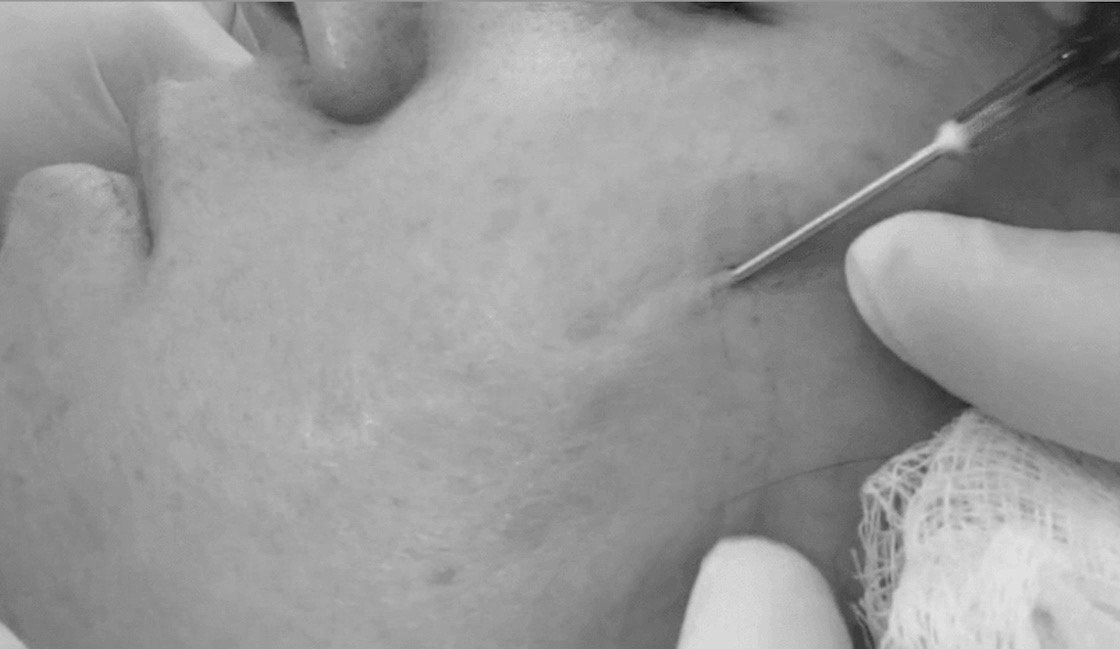 Image 1 of 2
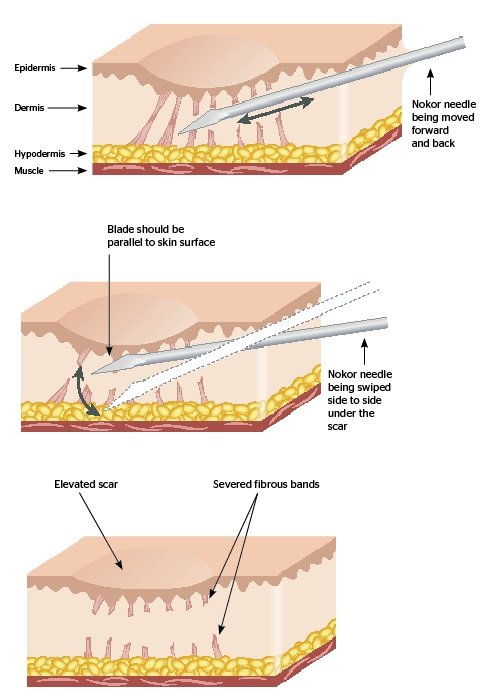 Image 2 of 2