Intralesional corticosteroid injected directly into raised scar tissue. Performed personally by Dr. Amir Mortazavi, MD.
Corticosteroid injection is the first-line treatment for keloid and hypertrophic scars, and it has been for decades. The steroid suppresses the overactive collagen production driving the raised tissue and breaks down existing collagen within the scar — which flattens it, softens it, and relieves the itching and tenderness that often bother patients more than the appearance does.
This is the starting point for most raised scars. It's straightforward, well-established, and effective for a large proportion of cases.
Treats: keloid scars · hypertrophic (raised) scars · thickened surgical scars · raised scars that itch, burn, or are tender to touch · earlobe keloids from piercings
What to expect: the injection takes seconds per site and stings — scar tissue is dense, and pushing fluid into it creates pressure. Flattening is progressive rather than immediate. Most scars need a series, typically spaced four to six weeks apart, and improvement builds across the series.
Realistic outcome. The goal is flattening, softening, reduced redness, and relief from itching and tenderness. Keloids are a chronic tendency rather than a one-time event — they can recur, and maintenance treatment is common. Any provider telling you a keloid will disappear permanently is overselling.
Known effects worth understanding: corticosteroid can cause thinning of surrounding skin, lightening of skin color at the site, or small visible vessels if concentration or frequency is excessive. Lightening is more noticeable in deeper skin tones. These effects are controlled by dose, dilution, and spacing between sessions — which is why this is performed by the physician and why the interval between treatments isn't shortened on request.
When something else may work better:
Very dense or thick scars often resist injection because the steroid can't distribute through the tissue — laser-assisted steroid delivery creates microchannels first so the medication actually penetrates.
Flat scars with color or texture problems rather than raised volume are a different issue — see laser scar treatment.
Depressed or indented scars are the opposite problem entirely. Steroid would worsen them. Those need subcision.
Dr. Mortazavi will tell you which of these your scar actually is before treating it.
Intralesional corticosteroid injected directly into raised scar tissue. Performed personally by Dr. Amir Mortazavi, MD.
Corticosteroid injection is the first-line treatment for keloid and hypertrophic scars, and it has been for decades. The steroid suppresses the overactive collagen production driving the raised tissue and breaks down existing collagen within the scar — which flattens it, softens it, and relieves the itching and tenderness that often bother patients more than the appearance does.
This is the starting point for most raised scars. It's straightforward, well-established, and effective for a large proportion of cases.
Treats: keloid scars · hypertrophic (raised) scars · thickened surgical scars · raised scars that itch, burn, or are tender to touch · earlobe keloids from piercings
What to expect: the injection takes seconds per site and stings — scar tissue is dense, and pushing fluid into it creates pressure. Flattening is progressive rather than immediate. Most scars need a series, typically spaced four to six weeks apart, and improvement builds across the series.
Realistic outcome. The goal is flattening, softening, reduced redness, and relief from itching and tenderness. Keloids are a chronic tendency rather than a one-time event — they can recur, and maintenance treatment is common. Any provider telling you a keloid will disappear permanently is overselling.
Known effects worth understanding: corticosteroid can cause thinning of surrounding skin, lightening of skin color at the site, or small visible vessels if concentration or frequency is excessive. Lightening is more noticeable in deeper skin tones. These effects are controlled by dose, dilution, and spacing between sessions — which is why this is performed by the physician and why the interval between treatments isn't shortened on request.
When something else may work better:
Very dense or thick scars often resist injection because the steroid can't distribute through the tissue — laser-assisted steroid delivery creates microchannels first so the medication actually penetrates.
Flat scars with color or texture problems rather than raised volume are a different issue — see laser scar treatment.
Depressed or indented scars are the opposite problem entirely. Steroid would worsen them. Those need subcision.
Dr. Mortazavi will tell you which of these your scar actually is before treating it.
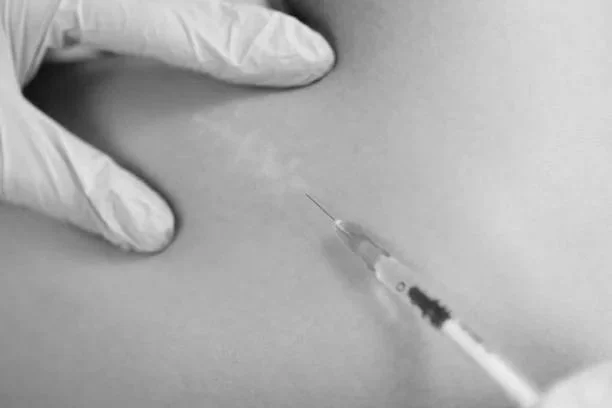 Image 1 of 1