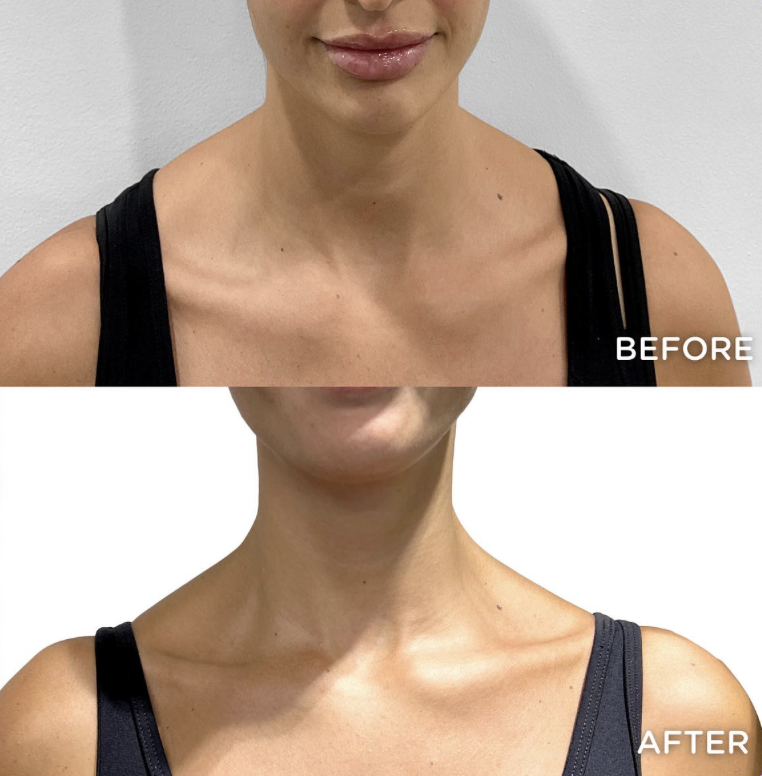
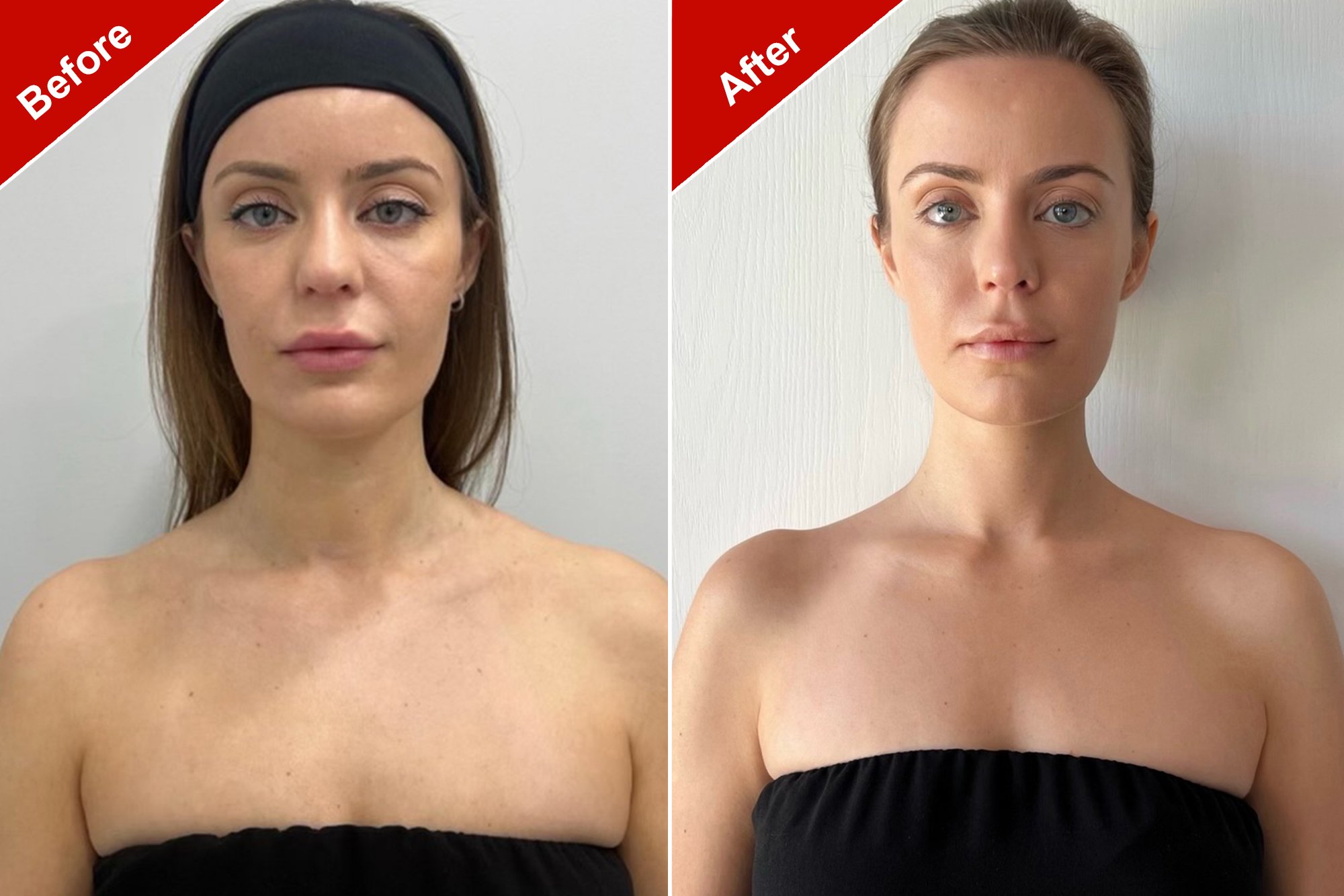
Neurotoxin injected into the deltoid to soften shoulder bulk and narrow the upper arm silhouette. Performed personally by Dr. Amir Mortazavi, MD.
The deltoid caps the shoulder. When it's well-developed — often from training — it widens the shoulder line and adds visual bulk to the upper arm. Partially relaxing the muscle reduces that bulk over time, producing a narrower, softer contour.
This is a newer application, and worth understanding as one.
Neurotoxin for muscle slimming is well established in the masseter and increasingly in the trapezius. Use in the deltoid is off-label and not supported by a substantial published literature. Dr. Mortazavi performs it based on clinical experience rather than established protocol, and it is dosed conservatively for that reason.
Off-label use of an approved medication is legal and common in medicine. But you should know when you're in well-mapped territory and when you aren't — and here, you aren't. Any practice presenting deltoid slimming as a routine, well-studied treatment is overstating what's known.
The functional consideration. The deltoid is a primary mover. It lifts your arm, holds it out to the side, and does most of the work in overhead reaching and carrying. Unlike the masseter or trapezius — where some relaxation is well tolerated — meaningful weakening here is noticeable in daily activity.
Treatment is therefore approached as partial softening rather than substantial weakening, with conservative initial dosing and adjustment at follow-up if warranted. Temporary reduction in shoulder strength or a sense of fatigue with overhead activity is possible and resolves as the effect wears off.
Not appropriate if you train seriously, play a sport involving overhead movement, or do physical work requiring shoulder strength. If your shoulder width comes from bone structure rather than muscle, this won't change it — and Dr. Mortazavi will tell you that at consultation rather than treating anyway.
What to expect: onset over one to two weeks, with visible change developing across several weeks as the muscle softens. Duration is typically three to four months.
Consultation required before booking. This isn't a treatment to buy from a product page without being assessed first.
Neurotoxin injected into the deltoid to soften shoulder bulk and narrow the upper arm silhouette. Performed personally by Dr. Amir Mortazavi, MD.
The deltoid caps the shoulder. When it's well-developed — often from training — it widens the shoulder line and adds visual bulk to the upper arm. Partially relaxing the muscle reduces that bulk over time, producing a narrower, softer contour.
This is a newer application, and worth understanding as one.
Neurotoxin for muscle slimming is well established in the masseter and increasingly in the trapezius. Use in the deltoid is off-label and not supported by a substantial published literature. Dr. Mortazavi performs it based on clinical experience rather than established protocol, and it is dosed conservatively for that reason.
Off-label use of an approved medication is legal and common in medicine. But you should know when you're in well-mapped territory and when you aren't — and here, you aren't. Any practice presenting deltoid slimming as a routine, well-studied treatment is overstating what's known.
The functional consideration. The deltoid is a primary mover. It lifts your arm, holds it out to the side, and does most of the work in overhead reaching and carrying. Unlike the masseter or trapezius — where some relaxation is well tolerated — meaningful weakening here is noticeable in daily activity.
Treatment is therefore approached as partial softening rather than substantial weakening, with conservative initial dosing and adjustment at follow-up if warranted. Temporary reduction in shoulder strength or a sense of fatigue with overhead activity is possible and resolves as the effect wears off.
Not appropriate if you train seriously, play a sport involving overhead movement, or do physical work requiring shoulder strength. If your shoulder width comes from bone structure rather than muscle, this won't change it — and Dr. Mortazavi will tell you that at consultation rather than treating anyway.
What to expect: onset over one to two weeks, with visible change developing across several weeks as the muscle softens. Duration is typically three to four months.
Consultation required before booking. This isn't a treatment to buy from a product page without being assessed first.
 Image 1 of 1