New to combination resurfacing? Read the full guide to Pico + CO2 combination resurfacing in Newport Beach — what it treats, recovery day by day, and who it suits — before booking.
Two lasers, one session, one recovery. Performed personally by Dr. Amir Mortazavi, MD.
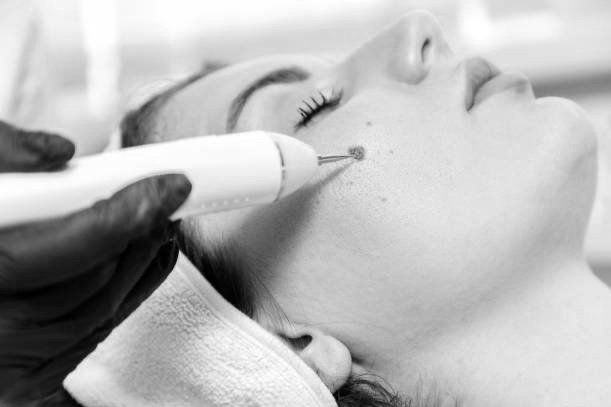
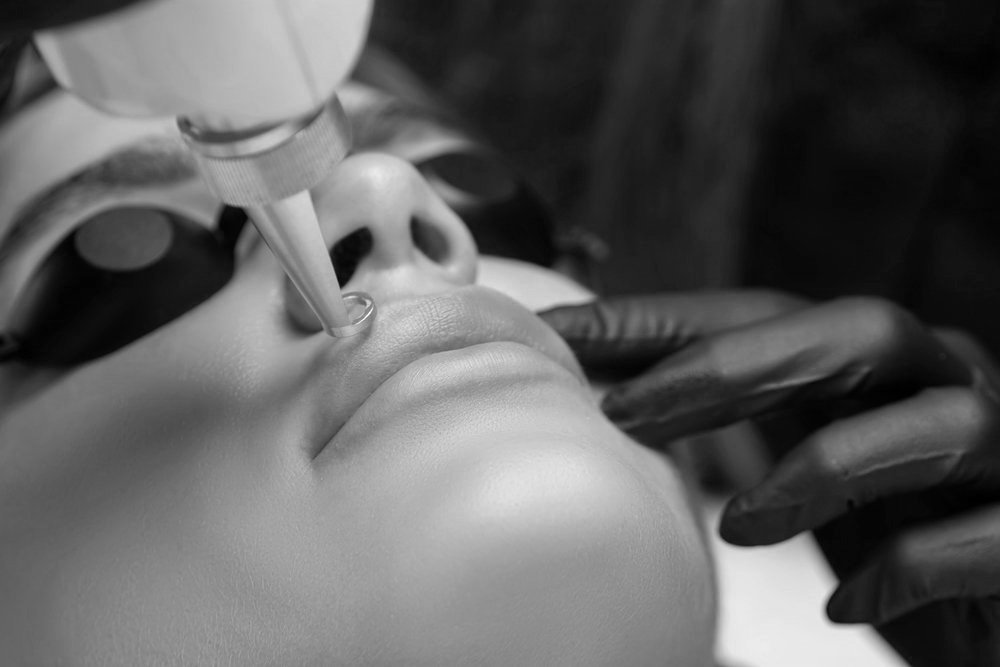
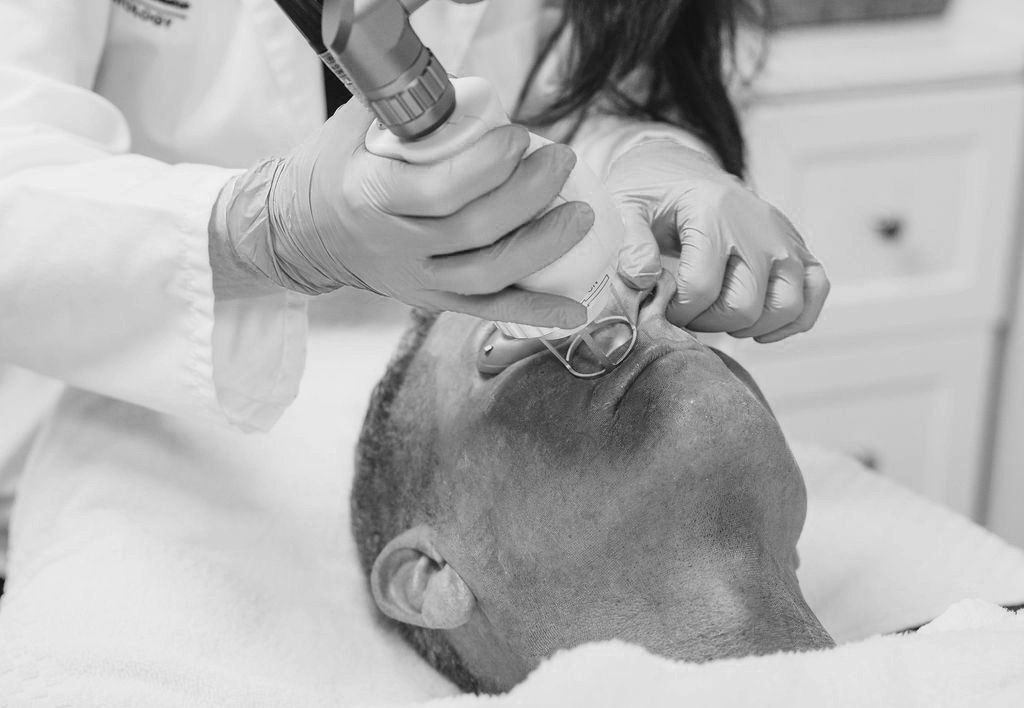
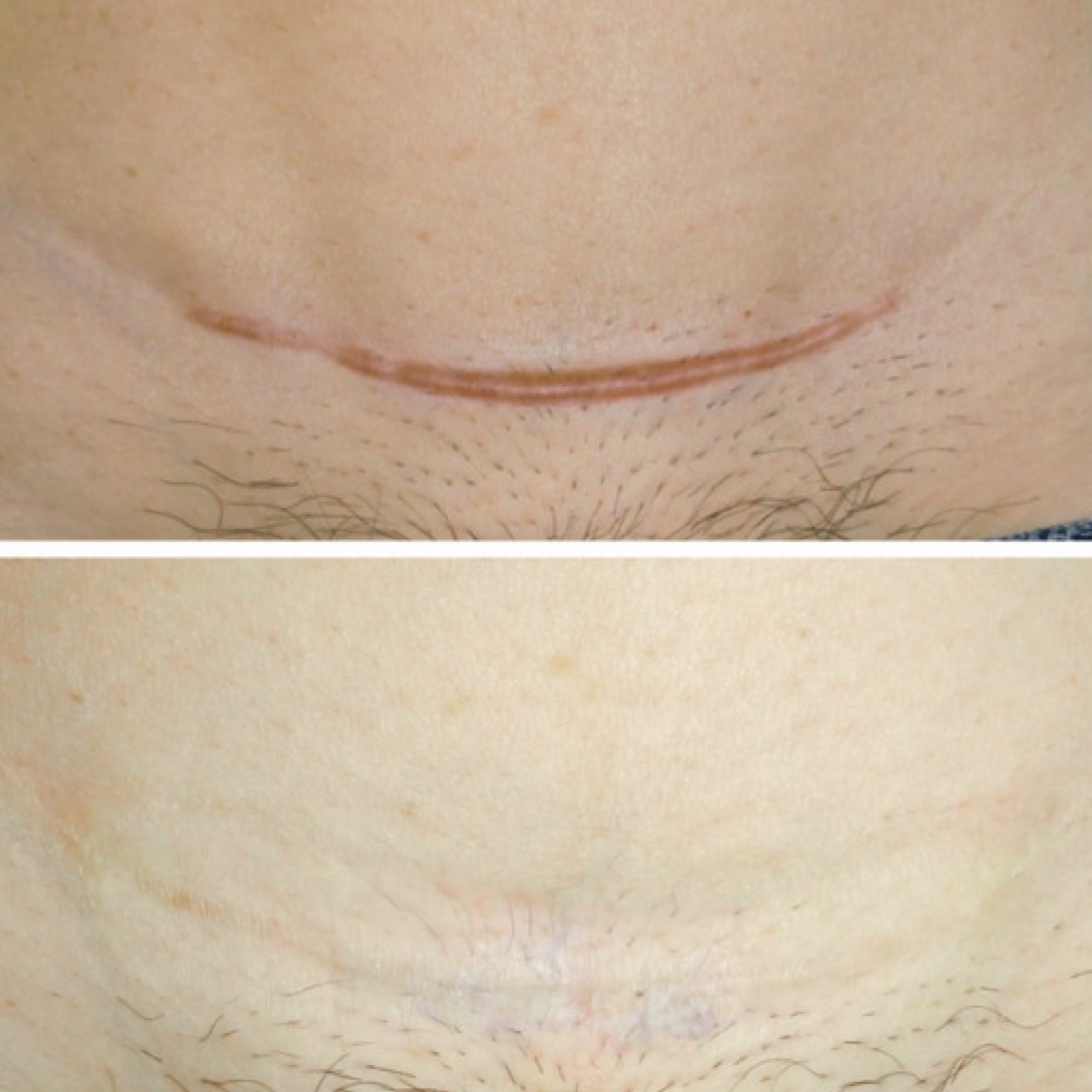
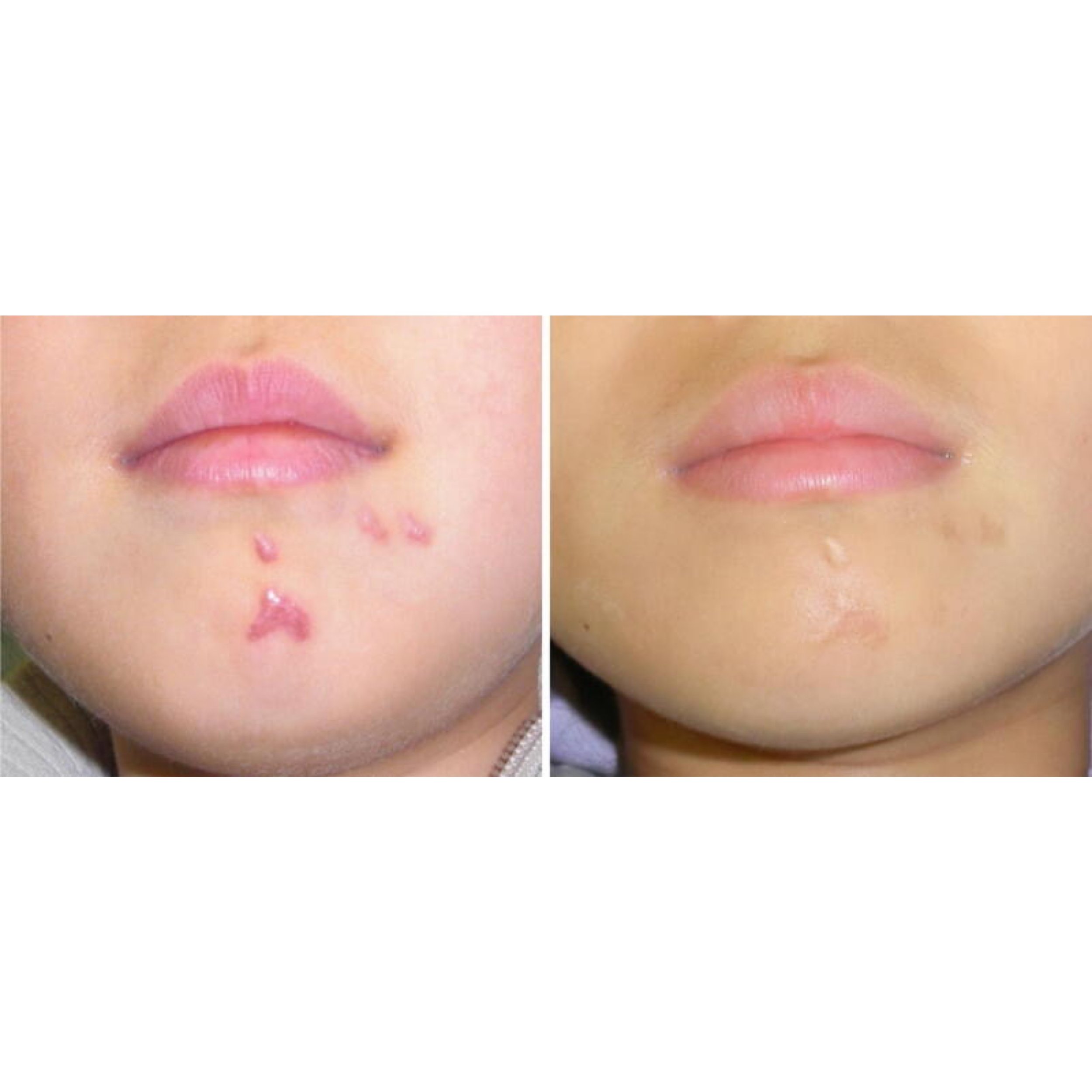
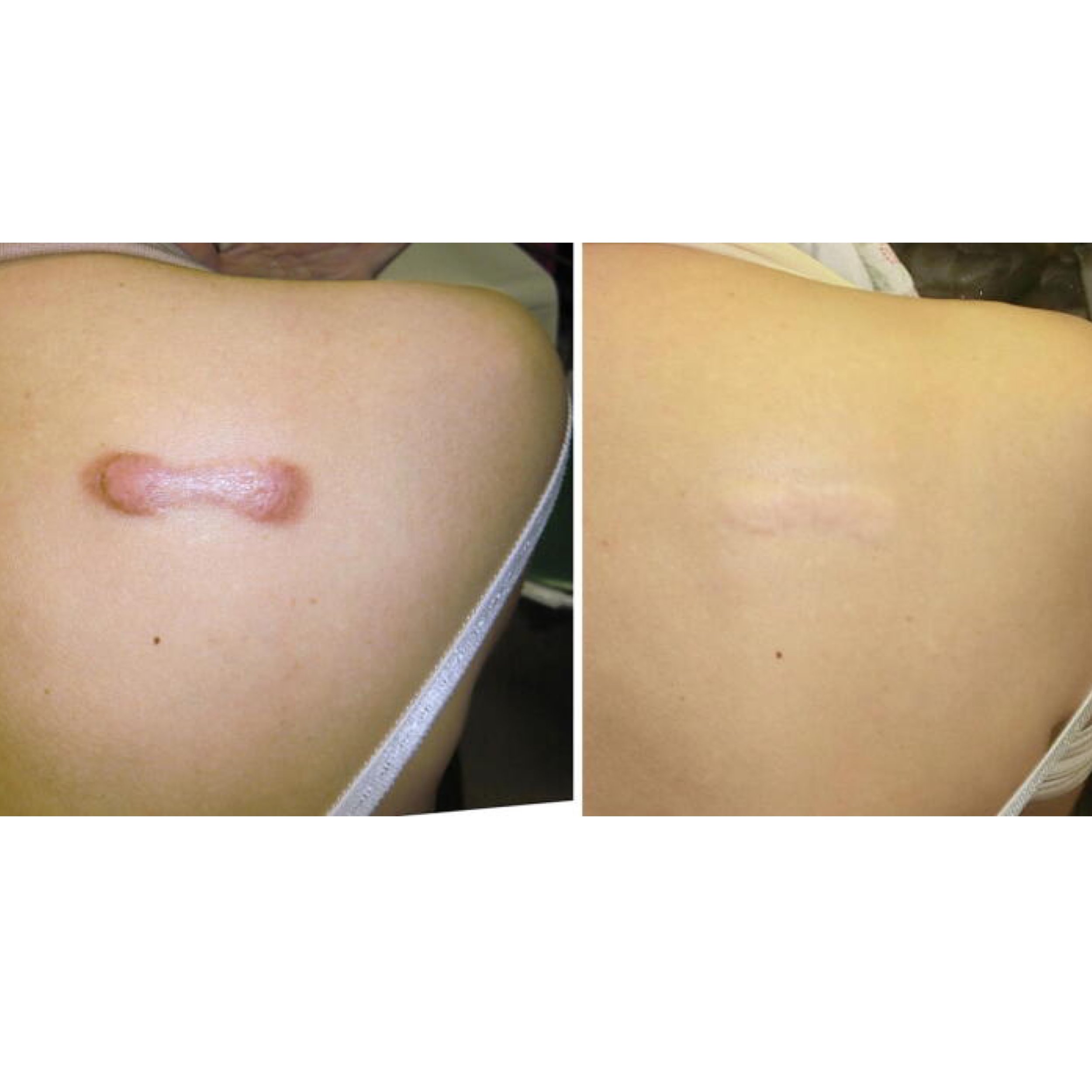
Sun-damaged skin has two separate problems. Pico shatters pigment photoacoustically — sun spots, uneven tone, post-inflammatory marks. Fractional CO2 ablates and remodels surface tissue — texture, fine lines, pores, scarring.
Treating them separately means two courses of treatment and two healing periods. This addresses both in one appointment.
Treats: sun spots and age spots · uneven skin tone · rough or uneven texture · fine lines · enlarged pore appearance · textural acne scarring · post-inflammatory marks left after acne
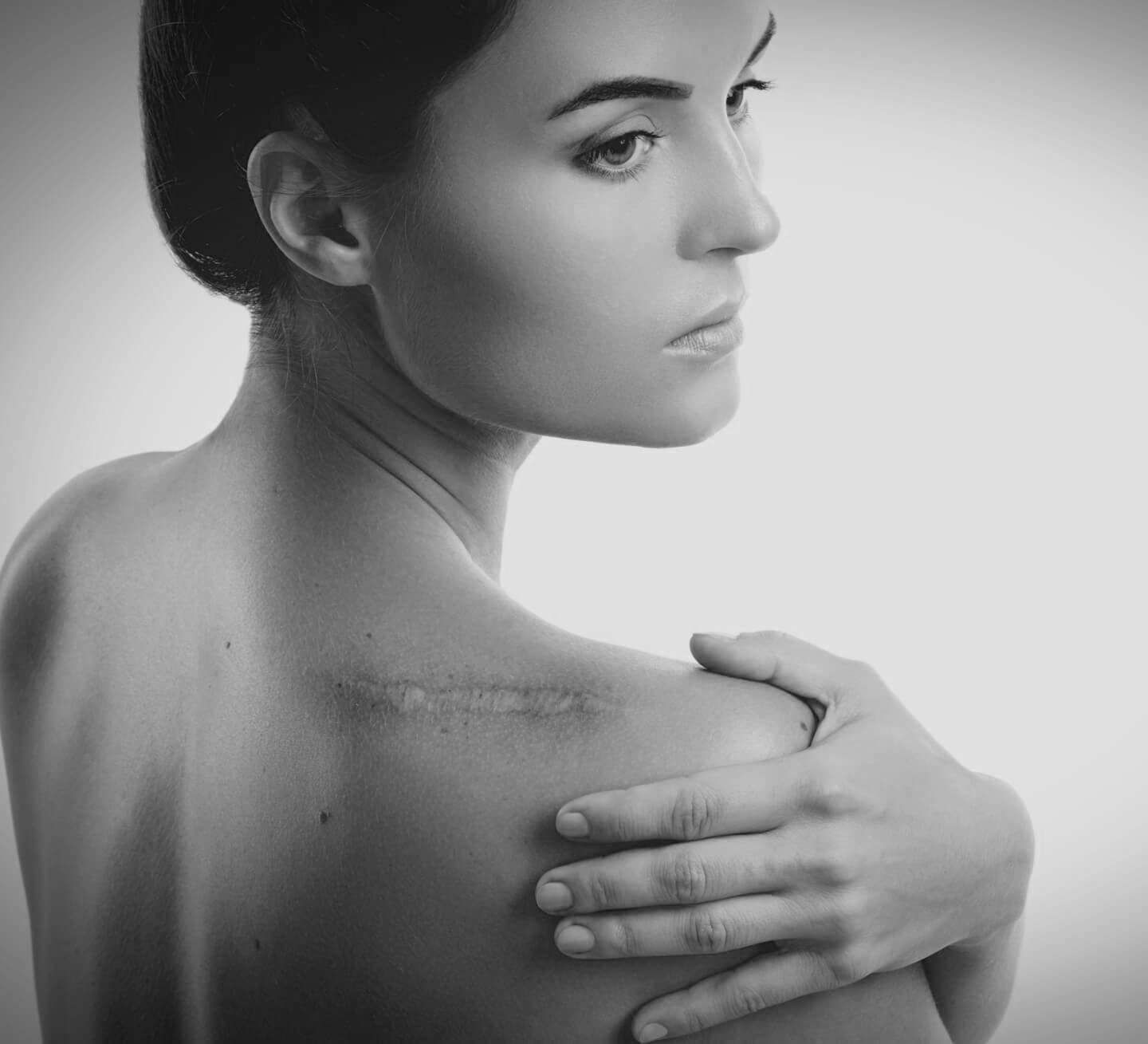
The clearest case is acne aftermath — textural scarring and flat brown marks are two different problems in the same square inch of skin, and treating one leaves the face visibly half-corrected.
Suitable for Fitzpatrick skin types I–IV. Deeper skin tones carry higher post-inflammatory pigmentation risk with ablative CO2 — an Erbium-based approach is generally safer, and that's assessed rather than assumed.
Recovery is comparable to CO2 alone, typically extended by a day or two. Expect redness, swelling, and shedding across roughly the first week, with most patients presentable by days six to nine. Treated pigment darkens before it flakes away — that's expected.
Plan on two to three sessions spaced six to eight weeks apart. Pigment usually responds first; textural change builds across the series.
Consultation required before booking. Parameters are individualised to your skin type, pigment depth, and degree of textural change — and sometimes the right answer is a single modality rather than two. Dr. Mortazavi will tell you which.
New to combination resurfacing? Read the full guide to Pico + CO2 combination resurfacing in Newport Beach — what it treats, recovery day by day, and who it suits — before booking.
Two lasers, one session, one recovery. Performed personally by Dr. Amir Mortazavi, MD.
Sun-damaged skin has two separate problems. Pico shatters pigment photoacoustically — sun spots, uneven tone, post-inflammatory marks. Fractional CO2 ablates and remodels surface tissue — texture, fine lines, pores, scarring.
Treating them separately means two courses of treatment and two healing periods. This addresses both in one appointment.
Treats: sun spots and age spots · uneven skin tone · rough or uneven texture · fine lines · enlarged pore appearance · textural acne scarring · post-inflammatory marks left after acne
The clearest case is acne aftermath — textural scarring and flat brown marks are two different problems in the same square inch of skin, and treating one leaves the face visibly half-corrected.
Suitable for Fitzpatrick skin types I–IV. Deeper skin tones carry higher post-inflammatory pigmentation risk with ablative CO2 — an Erbium-based approach is generally safer, and that's assessed rather than assumed.
Recovery is comparable to CO2 alone, typically extended by a day or two. Expect redness, swelling, and shedding across roughly the first week, with most patients presentable by days six to nine. Treated pigment darkens before it flakes away — that's expected.
Plan on two to three sessions spaced six to eight weeks apart. Pigment usually responds first; textural change builds across the series.
Consultation required before booking. Parameters are individualised to your skin type, pigment depth, and degree of textural change — and sometimes the right answer is a single modality rather than two. Dr. Mortazavi will tell you which.
 Image 1 of 1